Rethinking a Legacy Device
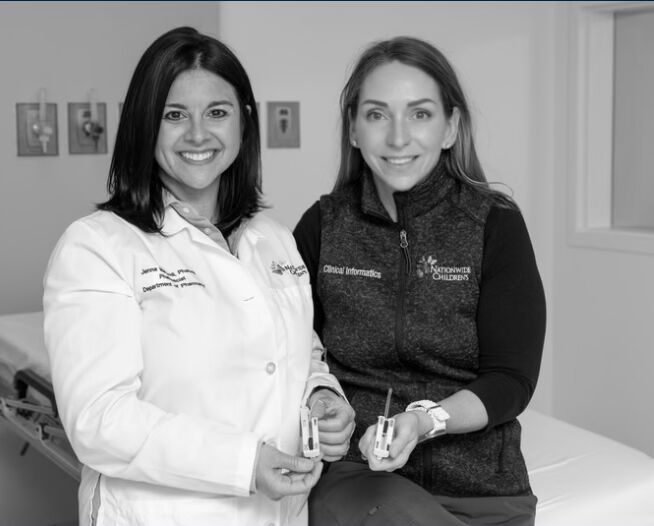
Sometimes the smallest devices have the biggest impact. That’s exactly the case with the IV roller clamp, a tool that’s been used (more or less unchanged) since the 1940s. When two clinical safety experts at Nationwide Children’s Hospital noticed serious usability concerns with today’s clamps, we teamed up to modernize the design. The goal? Reduce medical errors and better support the realities of today’s clinical environments.
The Challenge
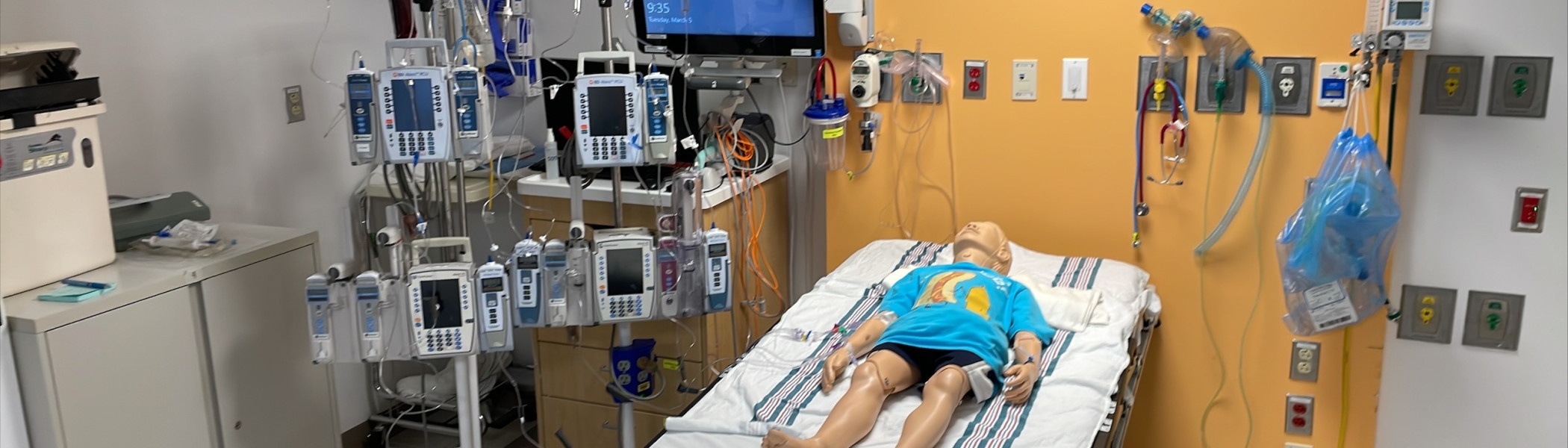
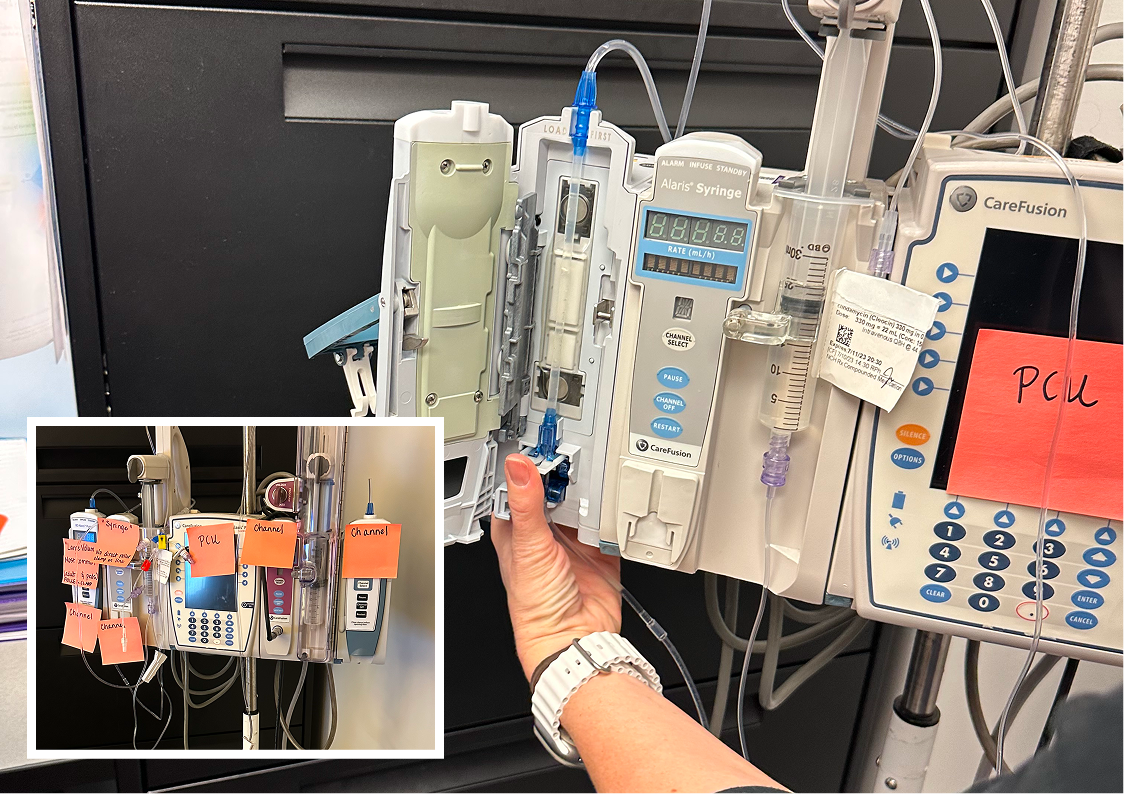
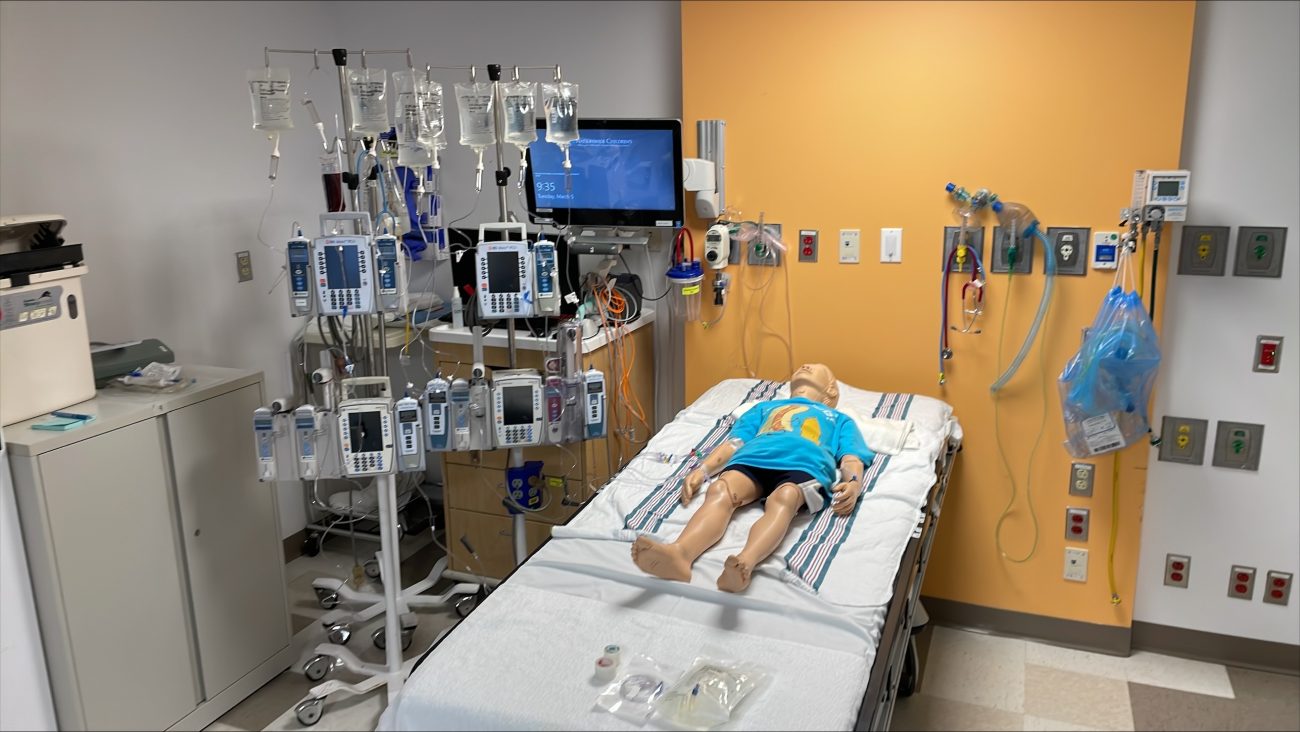
Roller clamps were originally designed for gravity-fed IV systems, but with the rise of electronic IV pumps and increasingly complex line management, they’ve become a potential point of failure. Patients often have multiple IV lines coming from all directions.
Without clear visual cues, it’s easy to misjudge whether a line is closed or open, a mistake that can have serious consequences.

User-Centered Design
Our Approach
We took an iterative, human-centered design approach across a fast-moving 14-week timeline:

Field Research
We observed clamp use across multiple hospital units—NICU, PICU, CTICU—gathering insights through real-time observation and direct conversations with staff. Pain points quickly emerged: unclear clamp status, poor visibility from across the room, and awkward one-handed operation.

Concept Development
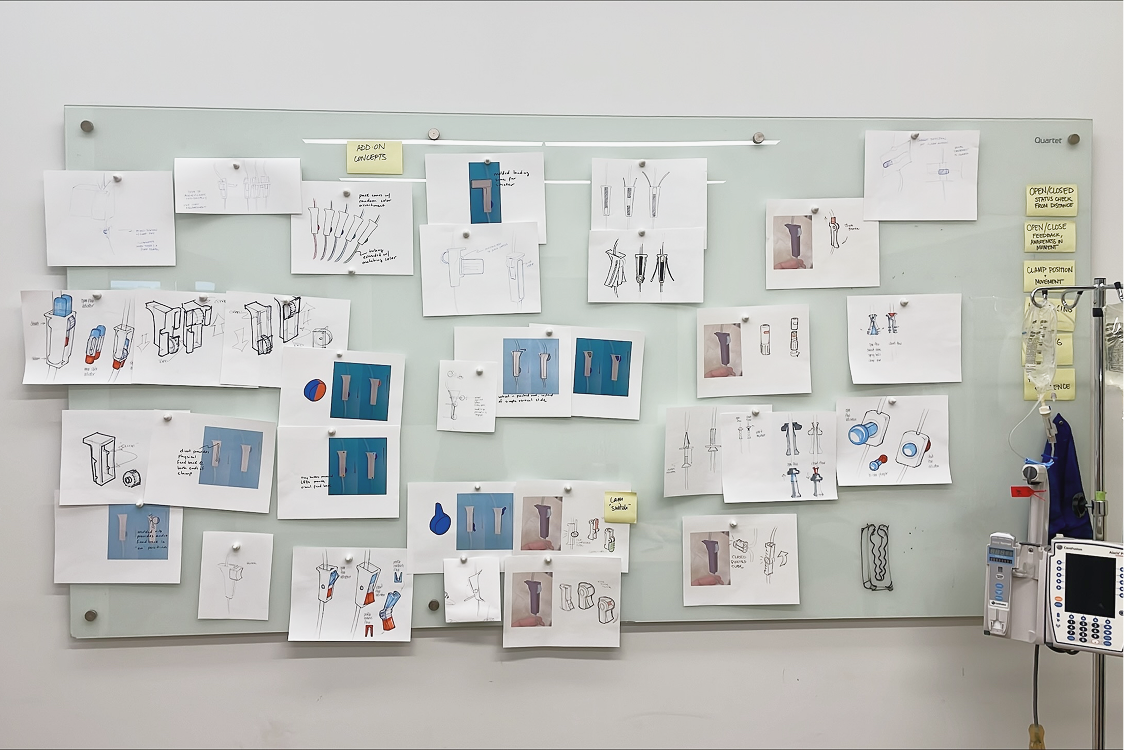
Armed with these insights, we brainstormed solutions that would address these key issues. We explored multiple design directions that improved usability, visibility, and feel.

Rapid Prototyping
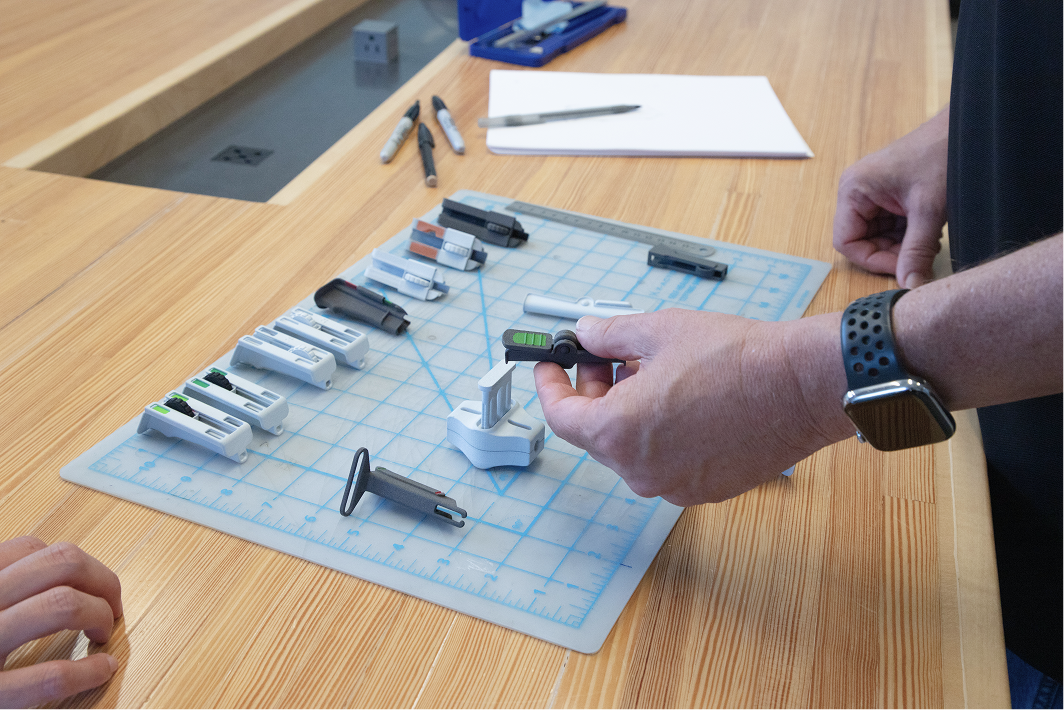
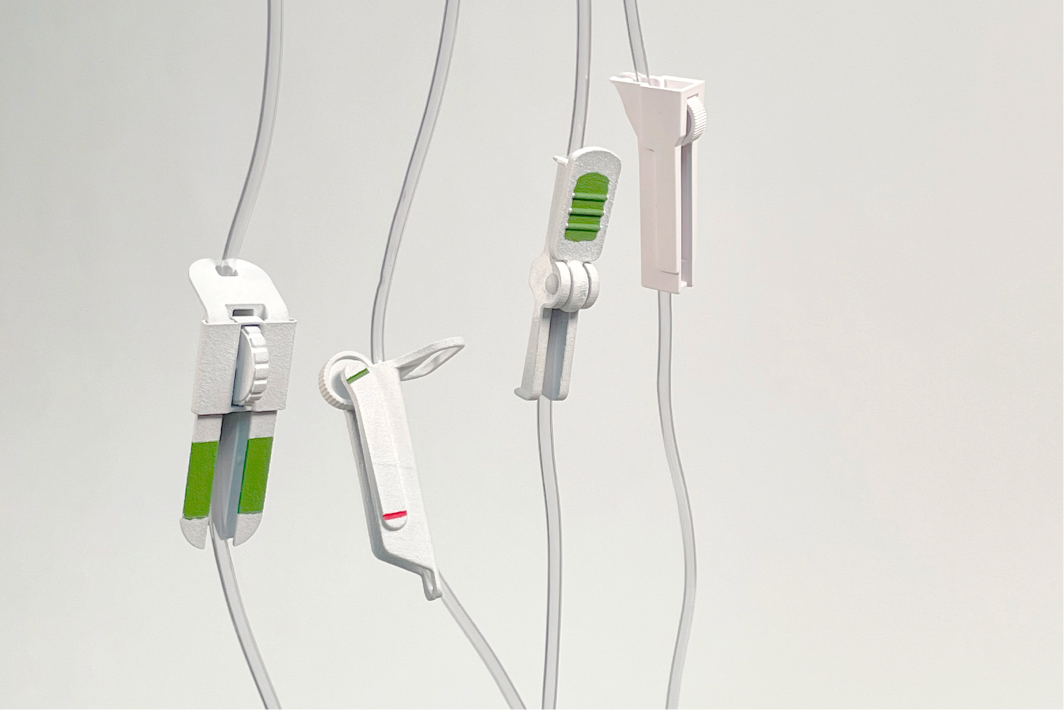
We built multiple functional prototypes in-house using rapid 3D printing and soft tooling methods—allowing us to quickly iterate, refine, and move into testing with realistic, working models.

Usability Testing
Nurses, anesthesiologists, and safety experts used our prototypes in common tasks like priming lines, opening/closing clamps, and identifying clamp status in a high-line-count setup. We even ran timed tasks to measure how fast users could spot clamped lines.
The result? Two of our three designs were preferred over the existing roller clamp across nearly every metric.

Design Refinement
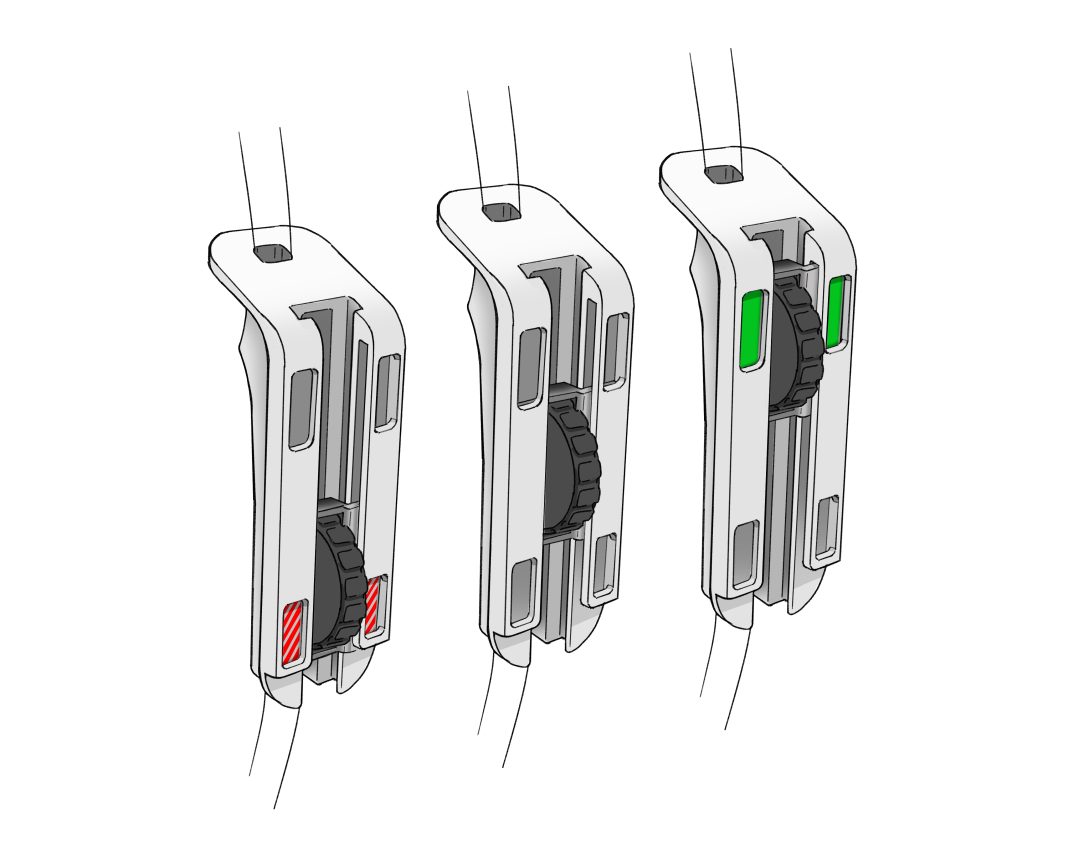
Using direct feedback, we merged the best elements from multiple concepts into a single preferred direction, refining grip ergonomics, color indicators, and tactile feel.
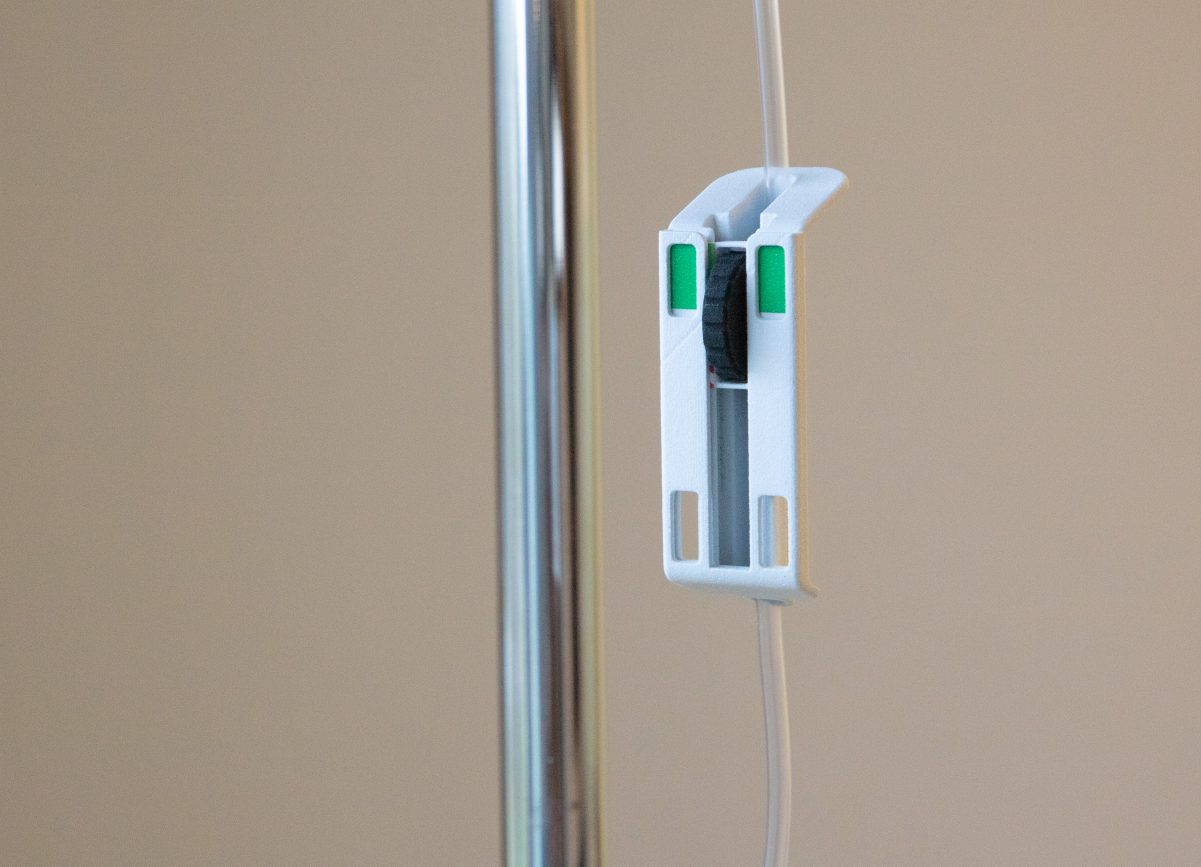

Final Prototype
The final concept was delivered as a prototype embodying the refinements from testing. This prototype served as a tool to get internal buy-in and provide the foundation for future manufacturing and implementation steps.
The Outcome
The redesigned IV line clamp is a small but meaningful leap forward in patient safety and workflow support. It provides:
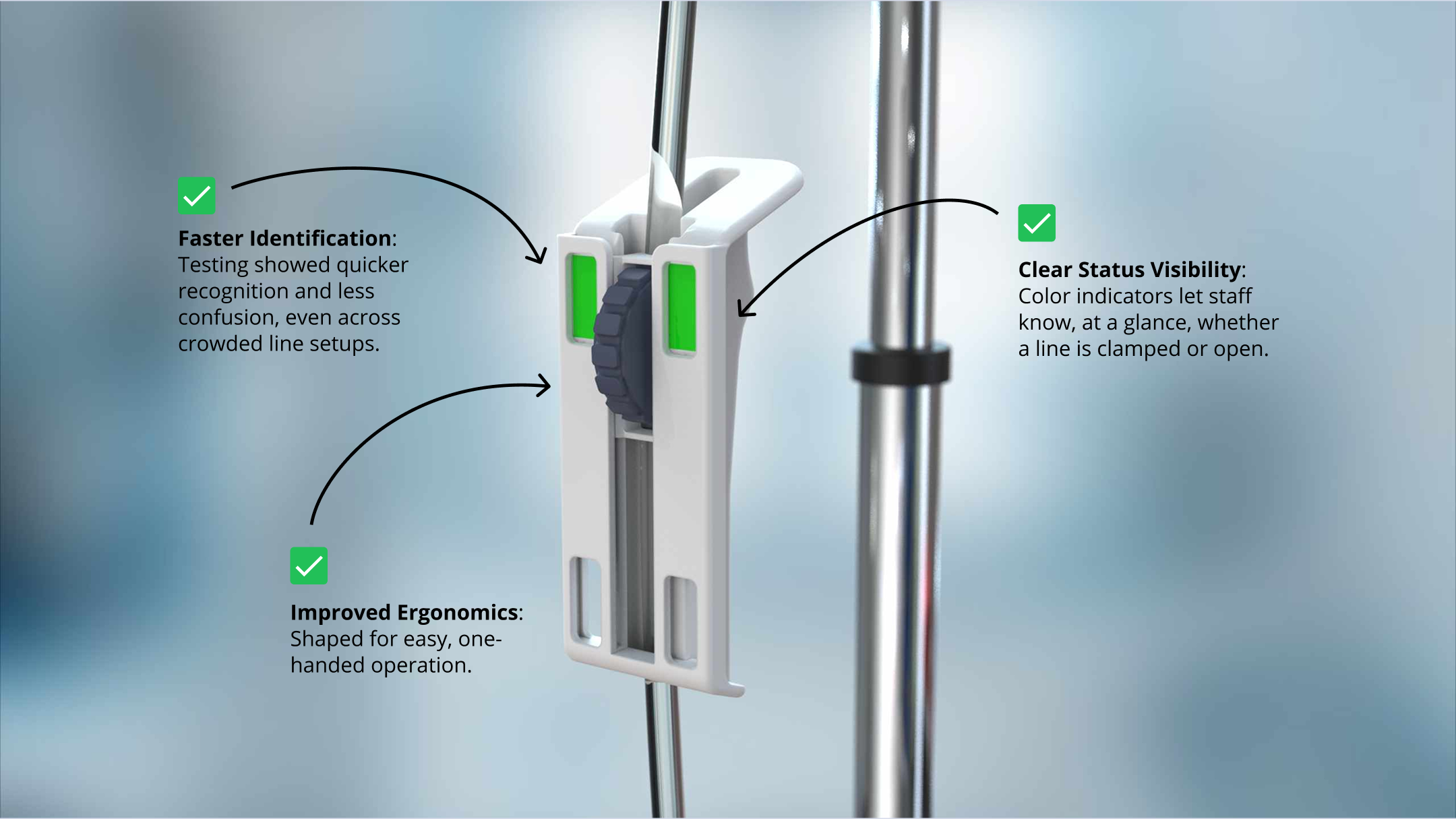
- Clear status visibility – color indicators let staff know, at a glance, whether a line is clamped or open.
- Improved ergonomics – shaped for easy, one-handed operation.
- Faster identification – testing showed quicker recognition and less confusion, even across crowded line setups.
In a world full of alerts, beeps, and high-stakes decisions,
this little clamp helps make one job simpler and safer.
A Thoughtful Redesign with Real Impact
This project is a perfect example of how human-centered design can make a tangible difference—especially in healthcare. By listening to users, observing real-world challenges, and iterating quickly, we helped bring a decades-old device into the modern era. And most importantly, we helped clinicians do their jobs more effectively—one clamp at a time.