Background
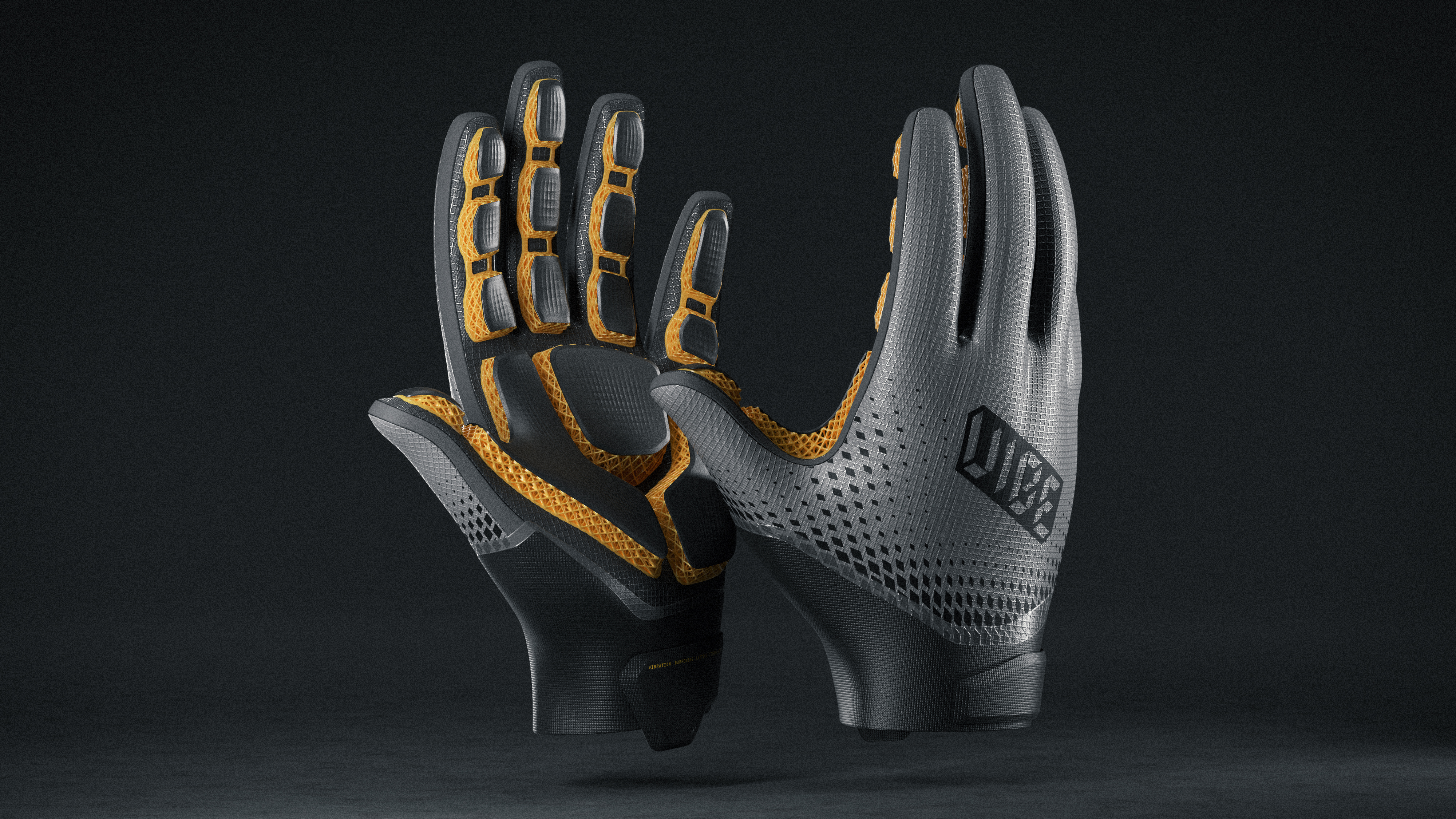
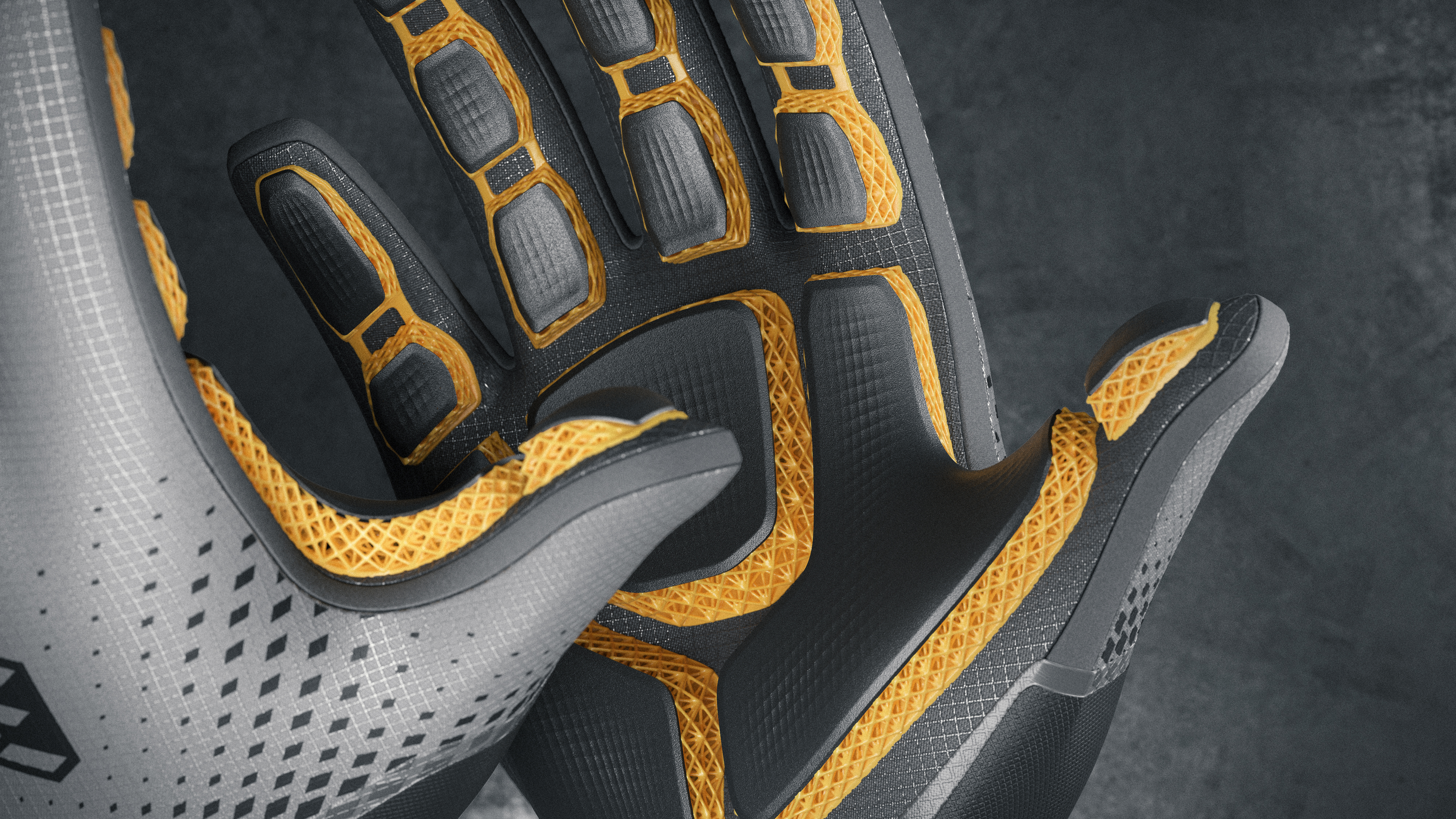
Hand-arm vibration syndrome (HAVS) is a condition caused by prolonged use of vibrating hand-held tools. Priority Designs put our expertise in product development, algorithmic design, and 3D modeling to the test to design an antivibration glove with the potential to protect the hands while increasing dexterity and grip strength.
The Challenge
HAVS can effect the blood vessels, nerves, and joints of the hands and arms, leading to symptoms like numbness, tingling, and episodes of white fingers. HAVS is preventable, but the damage it causes can be permanent. Unfortunately for many, consistent exposure to vibrating hand-held tools is unavoidable, and protective gloves can greatly limit the tactility and dexterity required to do their jobs.

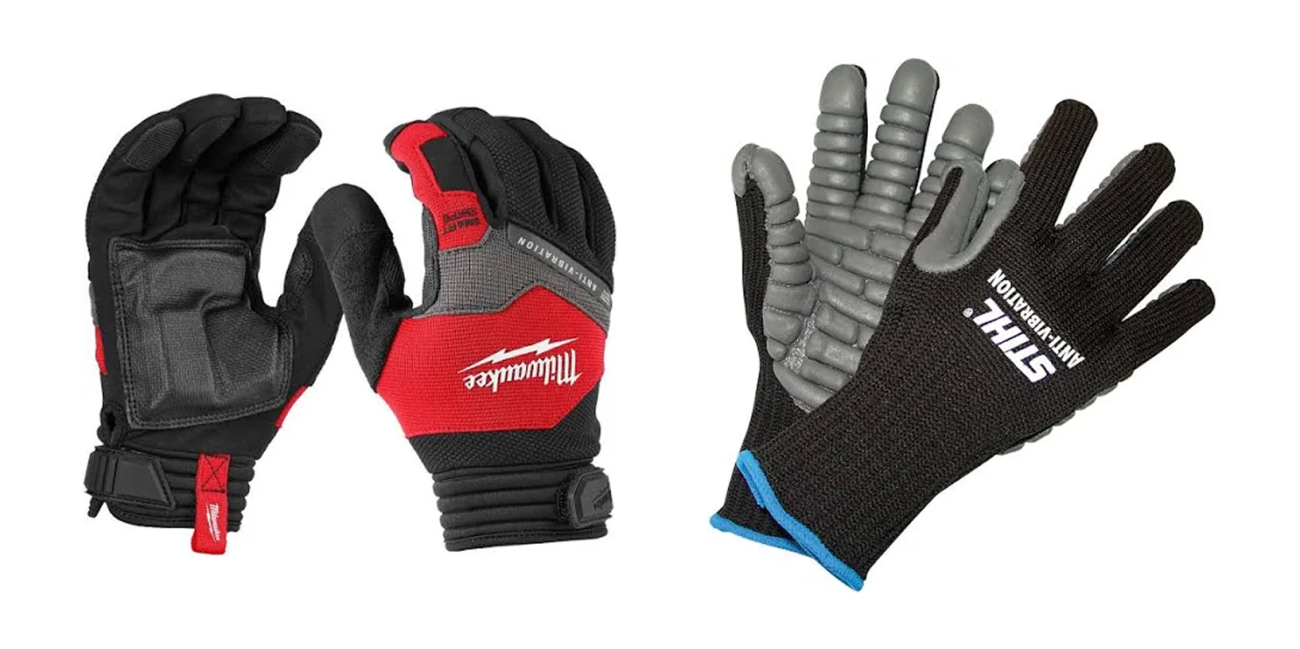
Current anti-vibration gloves can be bulky, which disperses the repeated impact of the tool, but also reduces the wearer’s dexterity and tactile feel, which can slow them down, or even prevent them entirely from doing the work. Priority Designs set our sights on addressing this challenge: creating an anti-vibration glove that doesn’t limit the wearer in doing the work.
Our Approach
Utilizing our design expertise in generative lattice design, our designers explored applications for lattice technology and how it might be used to disperse vibration impacts as they travel from the tool to the hand.
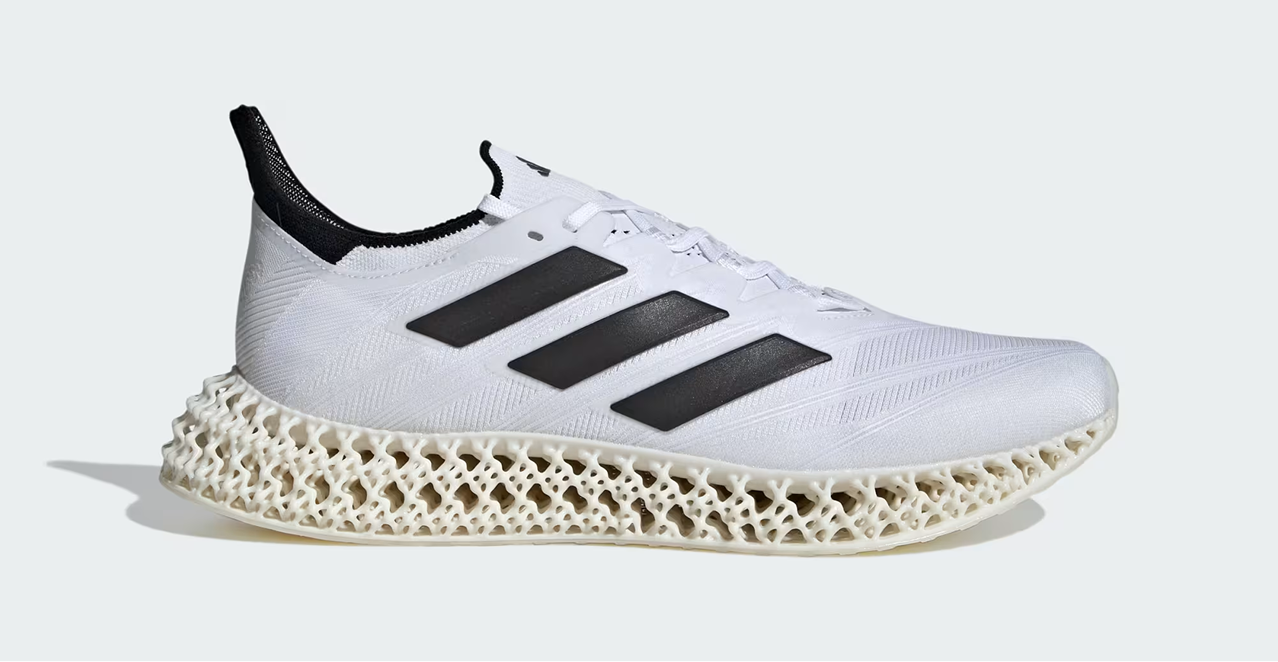
This technology is already in use in other applications like the Adidas 4DFWD running shoe that are designed to absorb impact. We asked ourselves, why can’t this same technology be applied to an anti-vibration glove?
The Solution
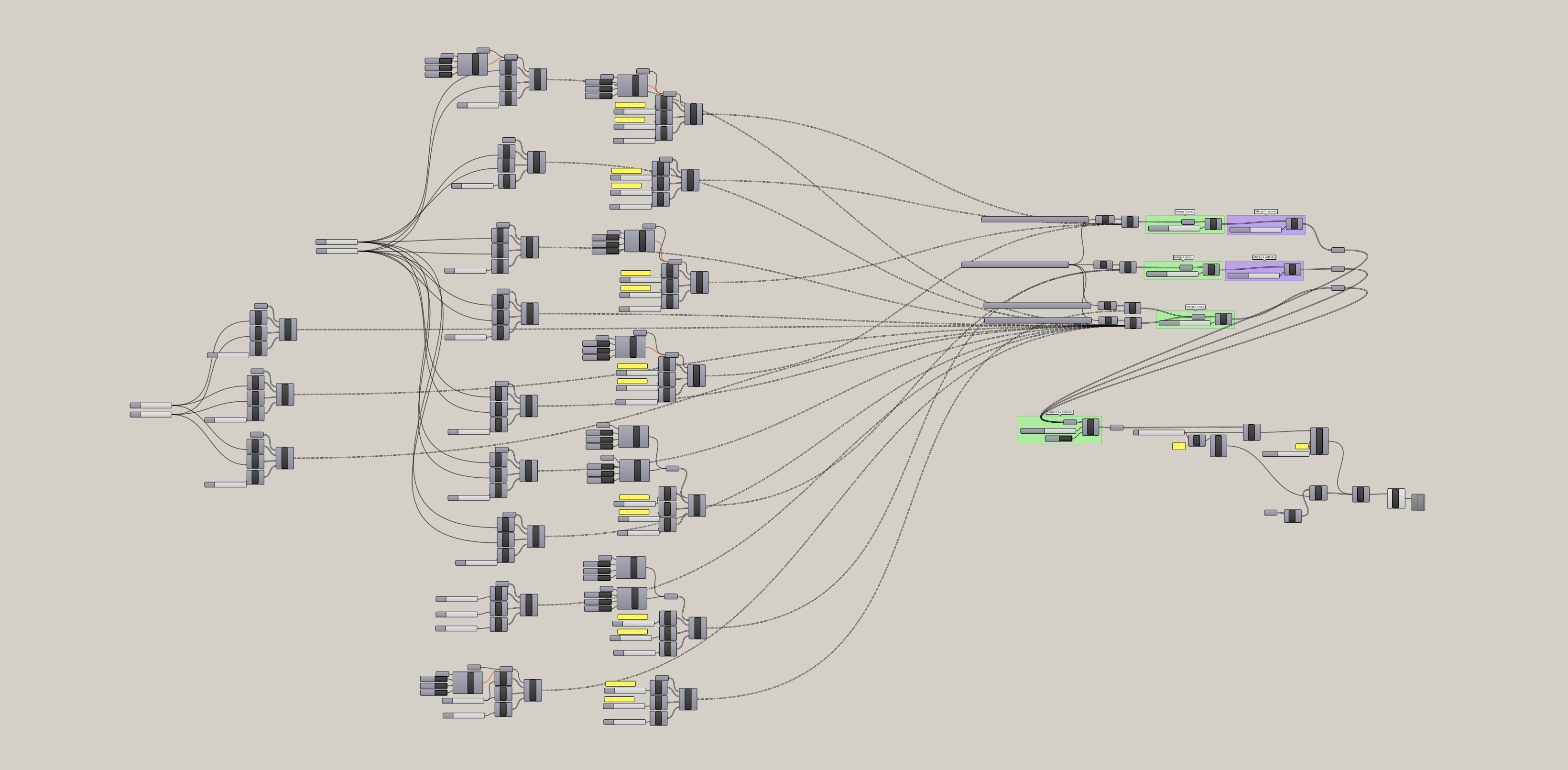
Using algorithmic modeling, our design experts were able to create an algorithm with which they can quickly iterate different shock-absorbing lattice structures. Our hypothesis is that the lattice structure will provide the same vibration mitigation of thicker, padded gloves but will give the user a thinner option, allowing for increased dexterity and tactile feel.
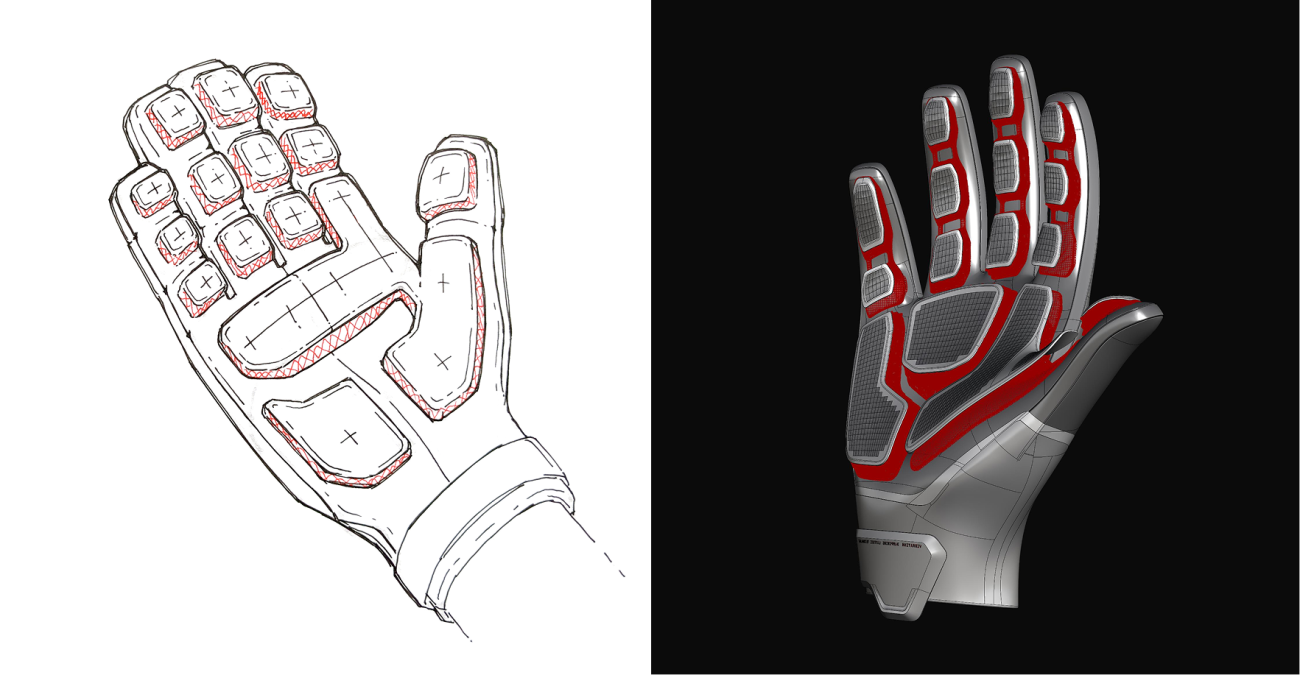
Subsequent concepting using our algorithmic modeling platform will iterate a variety of lattice structures. From there, FEA and real-world testing will reveal which structures are most successful at vibration mitigation.
The Outcome
Priority Designs has been able to take successful impact mitigation technology currently used in the running shoe industry and apply it to another industry where chronic exposure to vibration can lead to long term, if not permanent health issues.
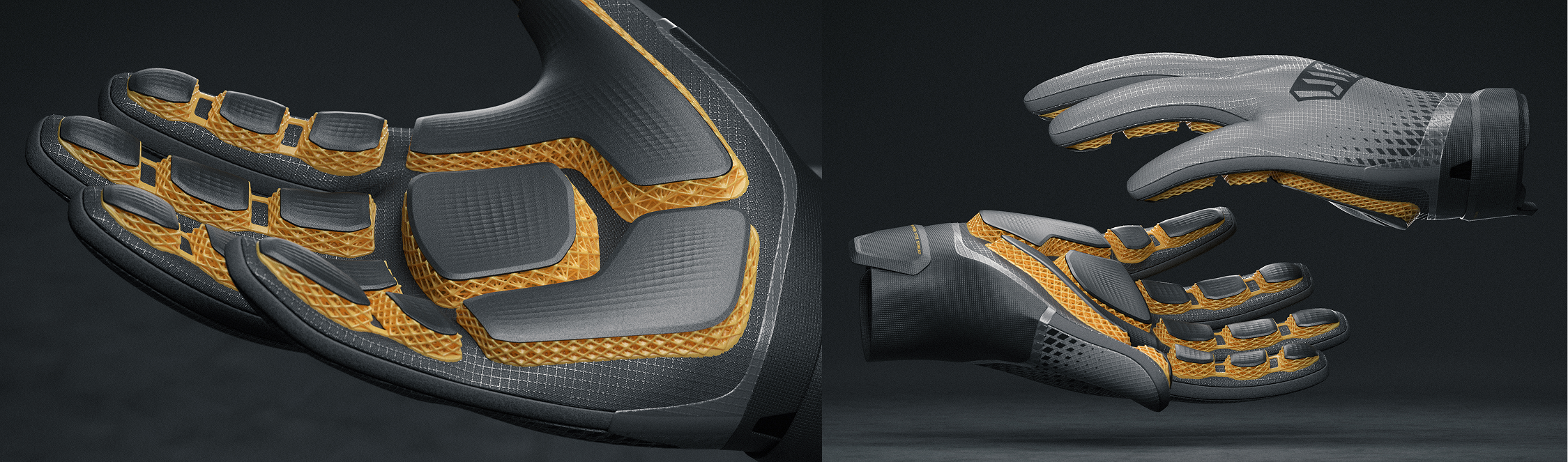
By combining our knowledge of additive manufacturing, the hand tools industry, and algorithmic modeling, our hope is to uncover a new and more desirable solution for preventing HAVS.
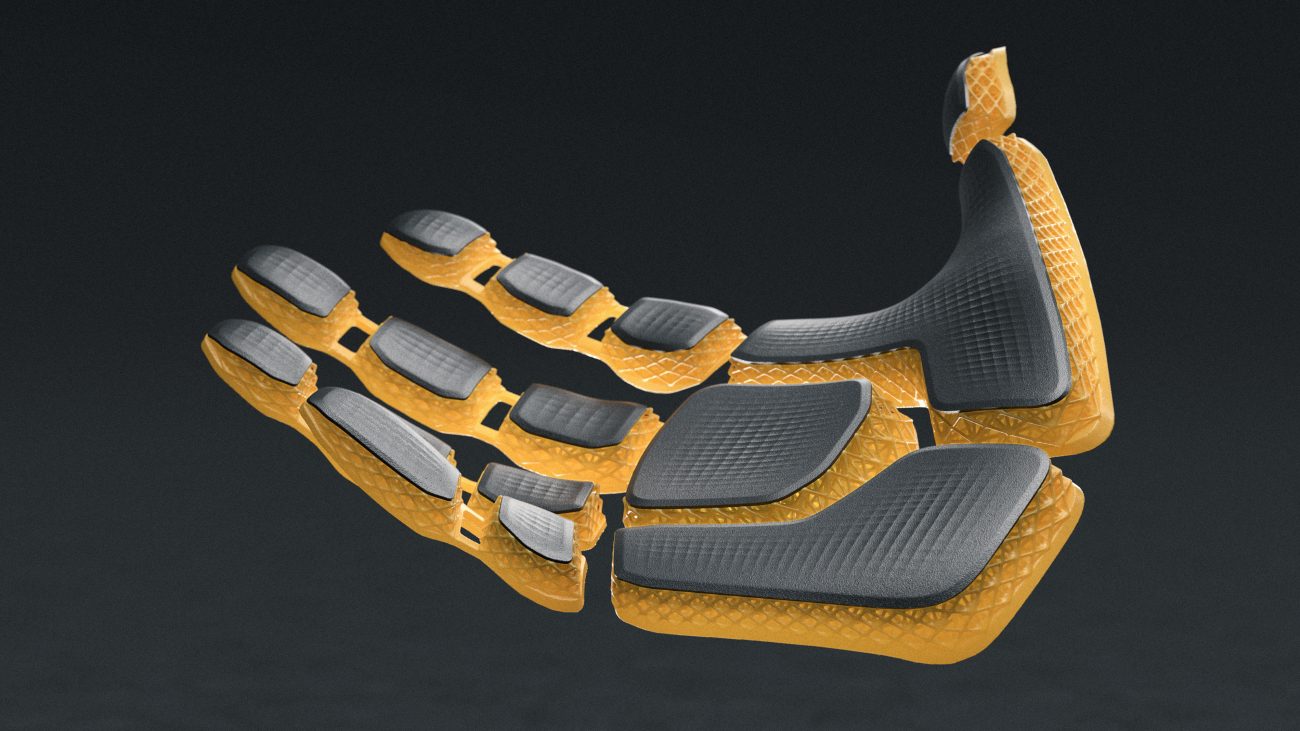
Should this effort prove successful, workers who are exposed to chronic vibration via hand tools could breathe a sigh of relief that they can protect their hands without the hindrance of bulky, unmanageable padding in their gloves. Using 3D printing as a manufacturing method can also ensure that this solution can be developed as an affordable solution, allowing access to its benefits to everyone.