
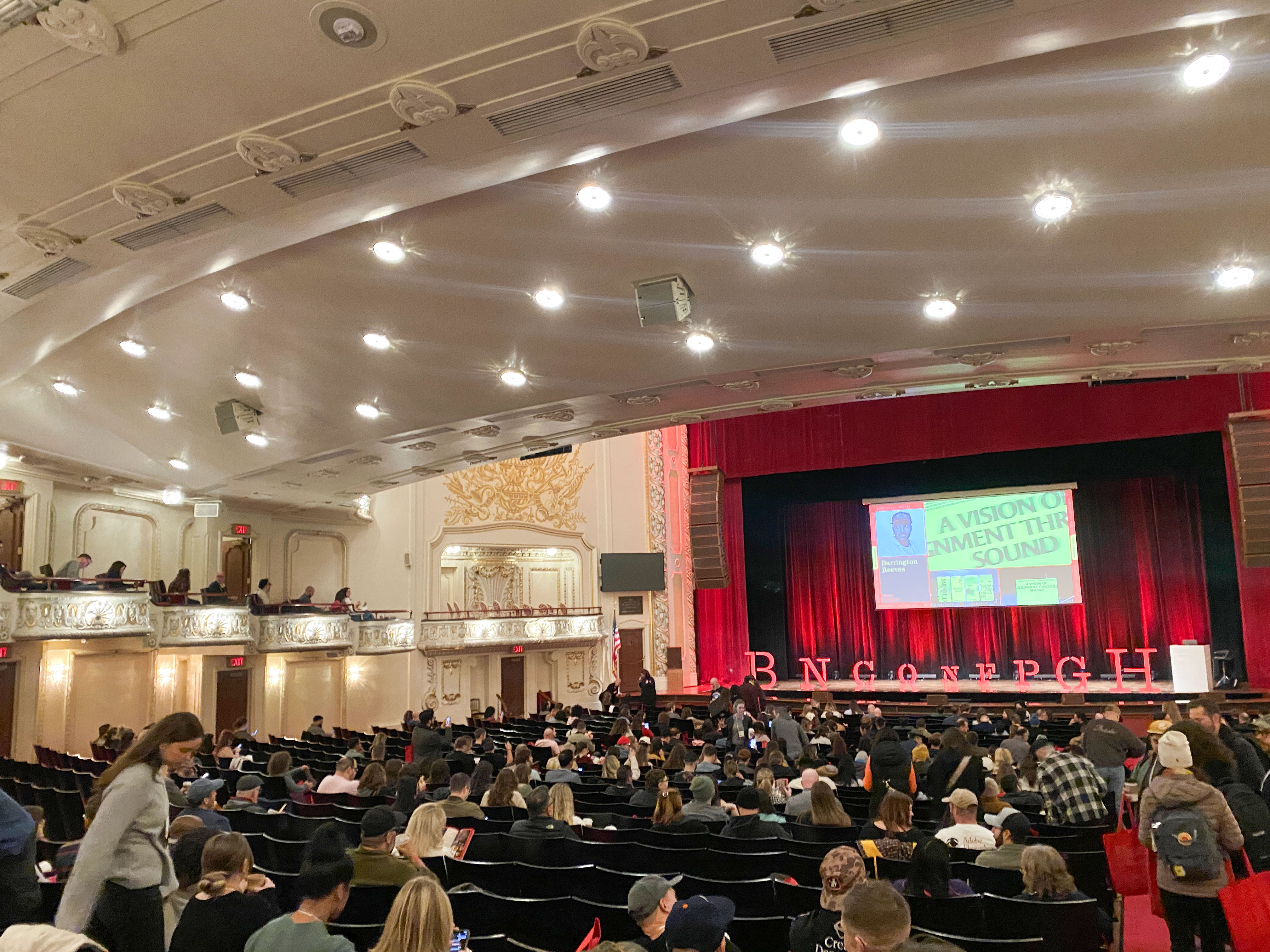
One of our Brand Strategists and Designers, Vicki Breon, recently attended the 2025 Brand New Conference in Pittsburgh, refreshed from two full days of sharp insights, identity deep-dives, and creative energy from global leaders in branding. Held October 23-24 at Heinz Hall, the event brought together top branding studios and independent powerhouse creatives for an engaging event filled with passion, insight and honesty.
She returned inspired and energized, reflecting on the great work we get to do helping clients build strong brands of their own, and how we can continue to push forward with new processes, tools and approaches.
Vicki will share the key themes that stood out and unpack what they mean for anyone looking toward a branding initiative in 2026. You’ll hear about the importance of building meaning behind the brand, the depth of building a compelling visual identity that goes well beyond a logo, the evolving ways to utilize AI, and the powerful fuel that branding provides to product development. Let’s dive in!

“Turn What Brands Want to Say into Something People Can Feel.”
– Ebru Sile Goksel, Studio Born
At the core of branding is storytelling – not just any story, but one that means something. The kind that carries the fingerprint of the people it’s for. Beautiful design alone isn’t the goal. A brand succeeds when it truly reflects the company behind it.
Helping people feel something, that’s the magic. Our mission as designers is to translate intention into emotion. Random consistency isn’t a brand and you can’t copy-paste a style and call it identity.
The best work comes from getting with people – the ones who build, live, and experience the brand every day. They’re the real inspiration. Taking the time to pause, learn and get inspired is an important step not to be skipped. Crafting a brand story and expression that is real helps you stand out by sharing something genuine, honest and intentional.
Key Takeaway:
It can be temping to jump straight to design, but taking time for discovery, customer research and team workshops sets the foundation to build the story itself. It can actually lead to a faster design process. Once you have that “ah ha” moment and a clear direction, everything else falls into place.
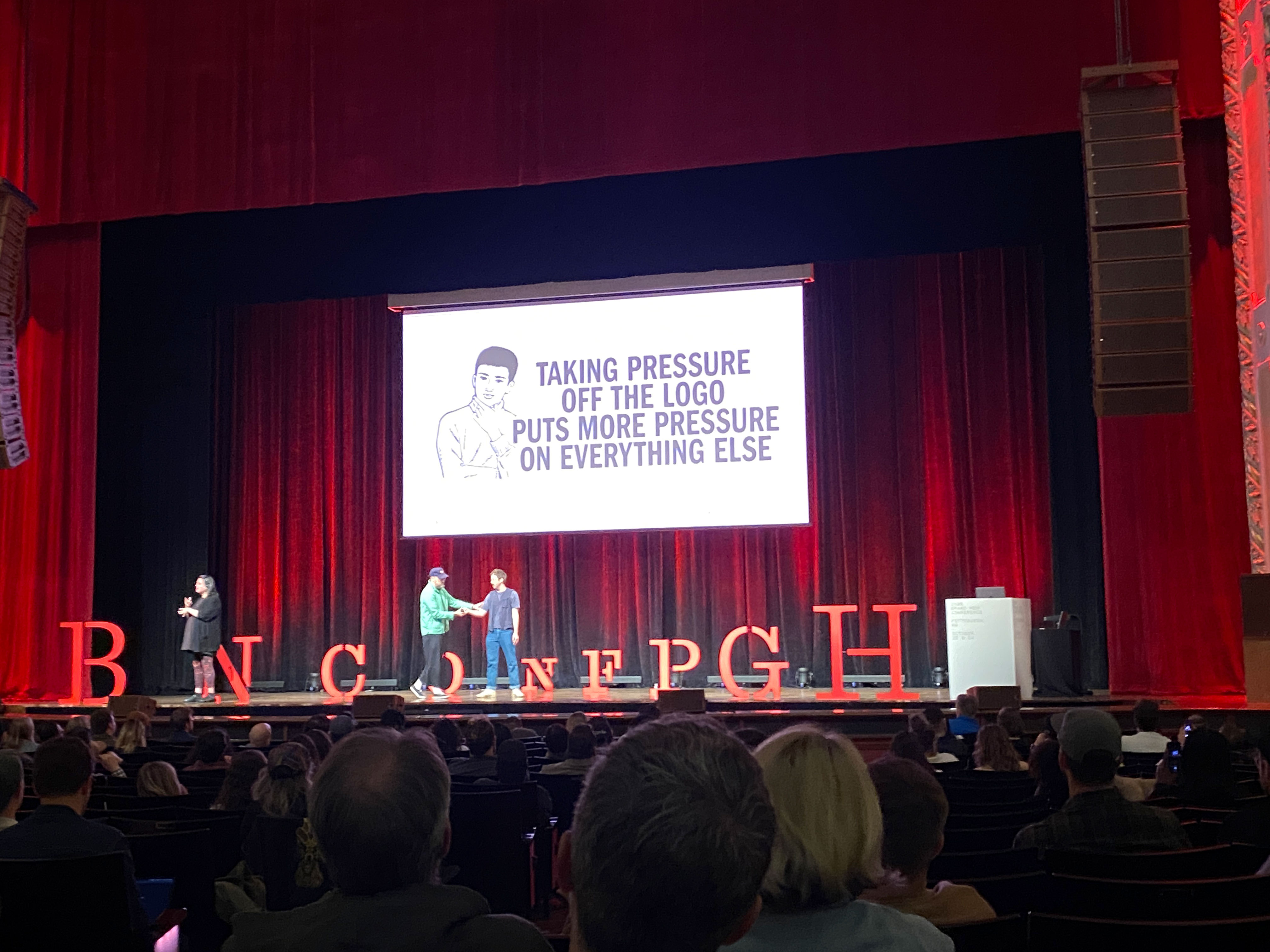
``Taking Pressure Off The Logo Puts More Pressure on Everything Else``
– Dan Cassaro & Dan Christofferson, Young Jerks
If you know a brand designer, you’ve probably heard them say “a logo is not a brand”. Tale old as time. And yet, it’s still true.
The world is crowded. Lots of brands exist, competing for your attention every day. To create a brand system requires the creativity to combine visual elements in a fresh, new way.
A dynamic brand is composed of signatures that work in harmony to create something entirely of its own. Each choice of what to include, how to use it, where it comes into play is the art of branding. As Mike and Chara Smith call it, a brand needs “moves”. Making a move is the push and pull of how the brand chooses to stand out, to create something unique and ownable. And there are lots of tools in the toolkit:
- Typeface
- Colors
- Imagery
- Illustration
- Icons
- Motion
- Sound
- Composition
- Layout
- Photography
- And yes, a logo
Key Takeaway:
Don’t judge the brand based on the logo. A customer rarely (if ever) will see your logo in a vacuum. The brand concept review will show how the different elements all tell part of the story. How a typeface can add strength and how photograph can bring authenticity and relateability. How color can add energy and patterns can add texture and depth. As you review, understand that each element works together to bring your brand’s personality to life in a dynamic, complete system.
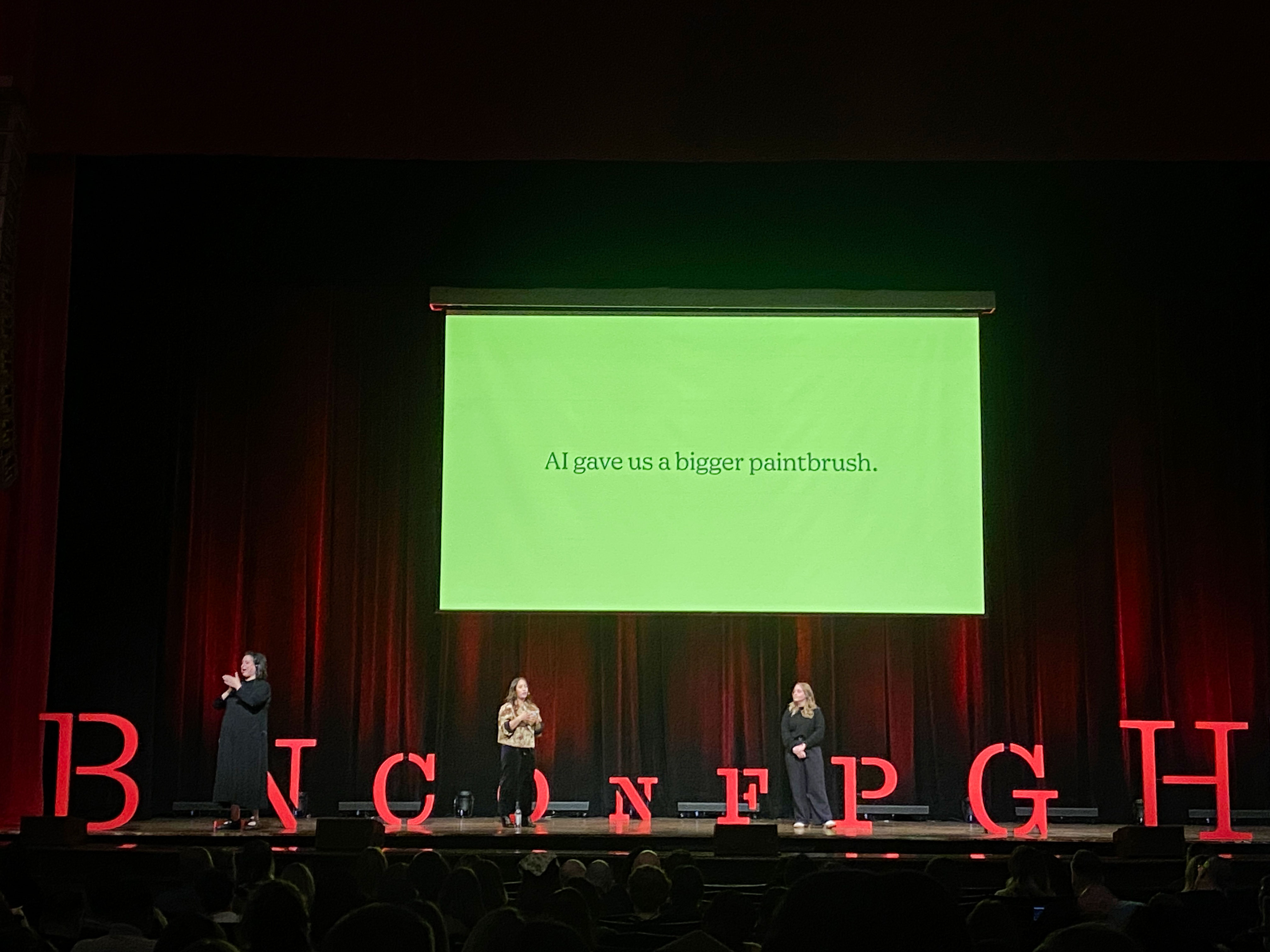
“AI Gave Us A Bigger Paintbrush”
– Amber Yoko and Kristie Feltner, Wink Creative at Intuit MailChimp
As with any 2025 conference, AI entered the conversation. But, with optimism, not doom and gloom. What AI allows us to do is share ideas and build assets at scale in ways we simply couldn’t do before. It allows us to expand, not do less.
AI can help us share early concepts, visualize what could be and build team alignment. It can create a large quantity of unique visual assets that might otherwise be cost prohibitive to do so. But, let’s not get too far ahead of ourselves. There are plenty of things it can’t or shouldn’t do. The role of the designer is important to its success.
1. The Creative Vision Belongs to the Designer
AI is not a creative director. We are. We guide the output, convey the vision, shape the creative. AI is merely a tool to execute and communicate. Bottom line: never let the tool do the thinking.
2. AI Doesn’t Replace the Tools We Already Have
The goal of a creative asset isn’t to shine and polish all the humanity out of it. AI doesn’t offer the imperfection and intrigue of something human. Often, after AI has helped visualize the direction it is still worth creating the final product with traditional means: our design tools, physical sets, photography or videography, hand drawing, or other. This also gives us the opportunity to have more creative control over the output. It’s not one or the other, it’s both and.
3. AI Doesn’t Have Discernment
AI doesn’t have taste. It doesn’t have intuition. It doesn’t feel the human experience. It doesn’t know what is “right”. The eye of the designer cannot be outsourced to AI and it is our greatest superpower.
4. AI is Not a Silver Bullet
It doesn’t get it right the first time. Trial and error is often the name of the game to shape and prompt and guide AI to the vision we have. Patience is required.
Key Takeaway:
Use AI at what it does best; but don’t overestimate it’s capabilities. Leverage a creative director for what they do best; but do incorporate AI into the workflow in smart, targeted ways. When you know the role of each, it can amplify creative, compelling and impactful design.
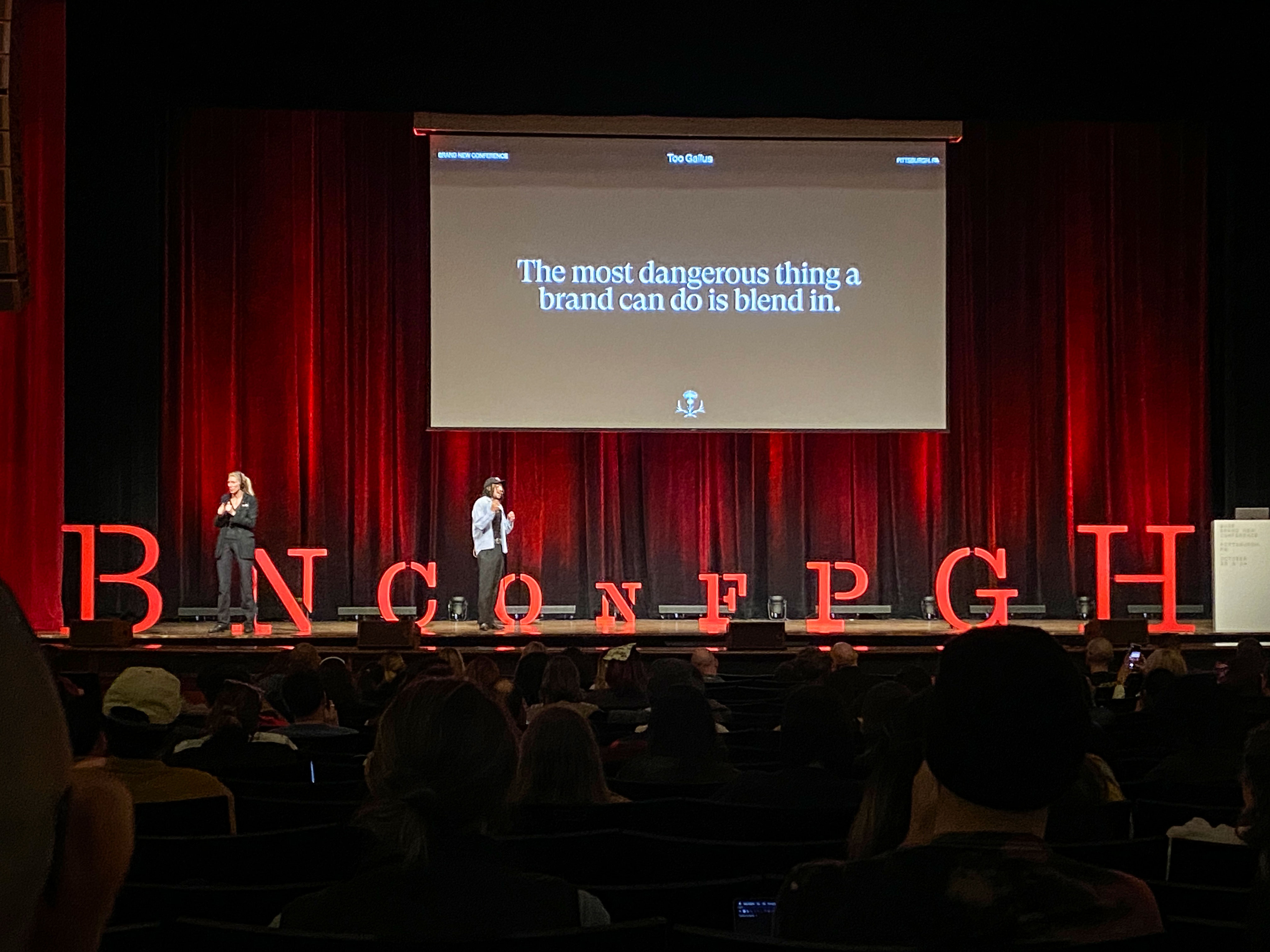
``The Most Dangerous Thing A Brand Can Do is Blend In.”
– Barrington Reeves, Too Gallus
When you work in product development and branding for products, sometimes the reality is that the product’s function or features aren’t significantly differentiated. Sometimes they are, and that makes for a great story. Other times, not so much.
In these situations, it is important to remember the power of branding. As Amber Yoko and Kristie Feltner put it, “When you can’t be differentiated, be distinctive.” Having a point of view, sharing the meaning behind the product, and crafting a unique brand visual style can lead the way. Use the brand itself to and stand out in a sea of sameness.
Key Takeaway:
When investing in product development, don’t underestimate the role of branding and use it to your advantage. A great product is easy to build a brand around, but even a great product can fail without a clear and well-crafted brand.

Closing Thoughts
The 2025 Brand New Conference was a reminder of why branding is such a powerful craft. It’s about meaning, emotion, and connection. Great brands don’t blend in or blindly follow trends; they move with purpose. They reflect the people behind them and resonate with the people they serve.
From AI’s expanding role to the enduring importance of human creativity, one theme rang loud and clear: tools will evolve, but the designer’s eye, intuition, and empathy remain irreplaceable. Our job is to help brands stand out by making smart, meaningful and inspired creative.
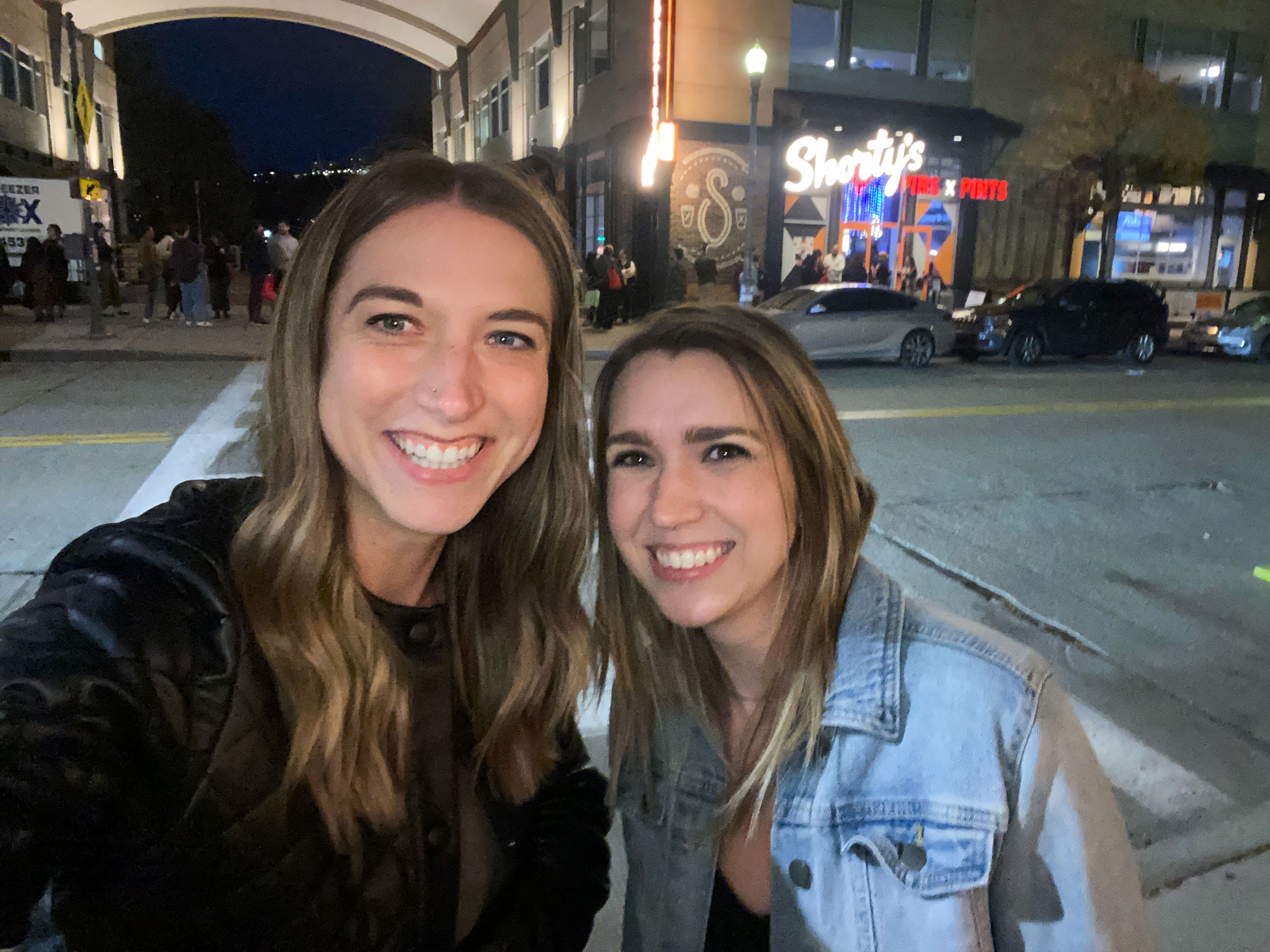
As it is true of building brand, it’s true of conferences too. There is no substitute for being with people, sharing stories, connecting and inspiring one another. Bryony Gomez-Palacio and Armin Vit have built a powerful event and pour their passion, craft and energy into making it great. Meeting new designers and creatives from Pittsburgh and beyond strengthens the design community. And you never know who you’ll meet, sometimes even the brand designer of the restaurant you’re sitting in!

Vicki leads our Strategy and Brand team with over 13 years of experience spanning both agency and corporate environments. She specializes in developing tailored brand solutions that connect consumer insight with business goals and market realities. Known for translating complex insights into clear, actionable strategies, Vicki brings brands to life through storytelling and creative direction that moves people and inspires lasting connection.
Sr. Strategist & Brand Designer