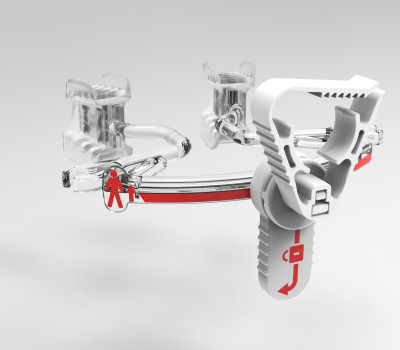
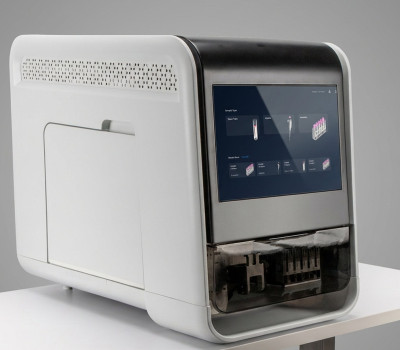
From early insight to prototypes, testing, and manufacturing-ready decisions.
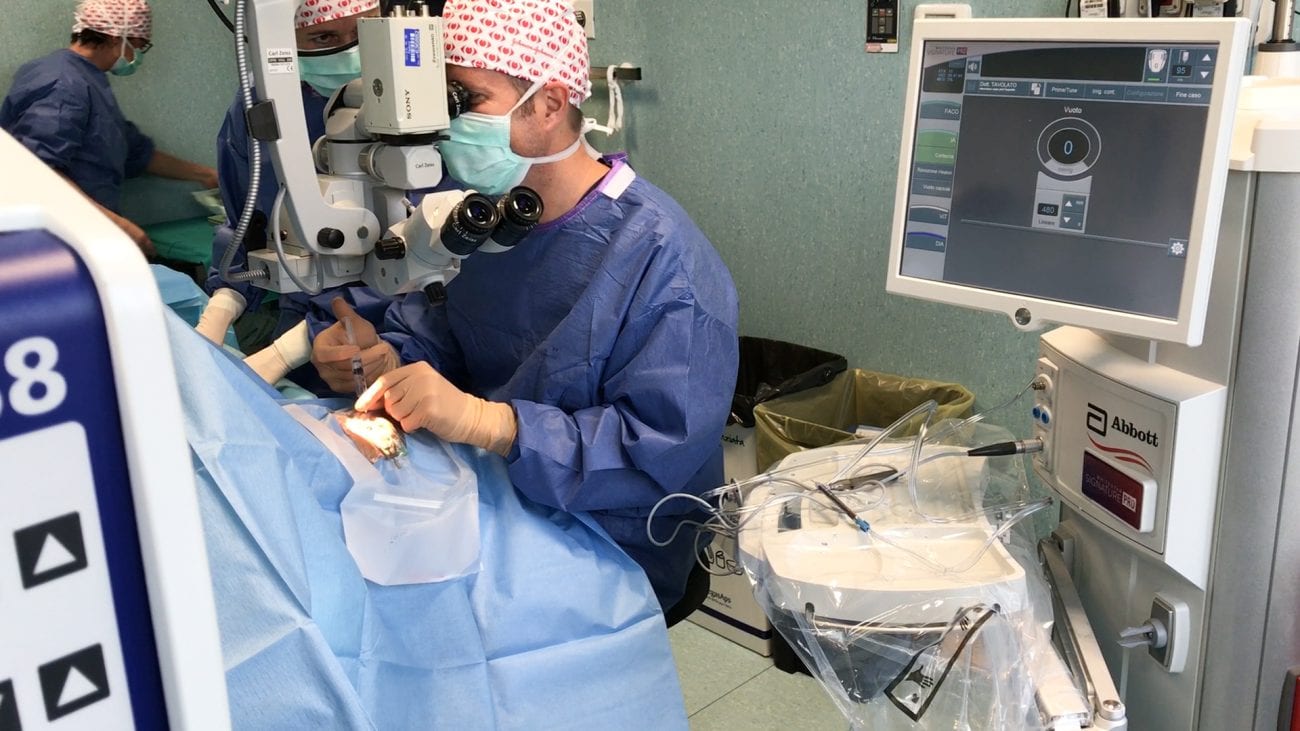
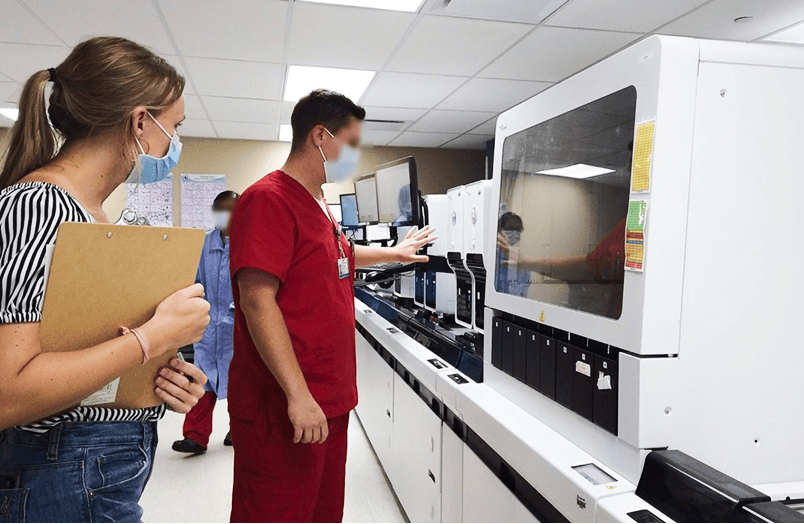
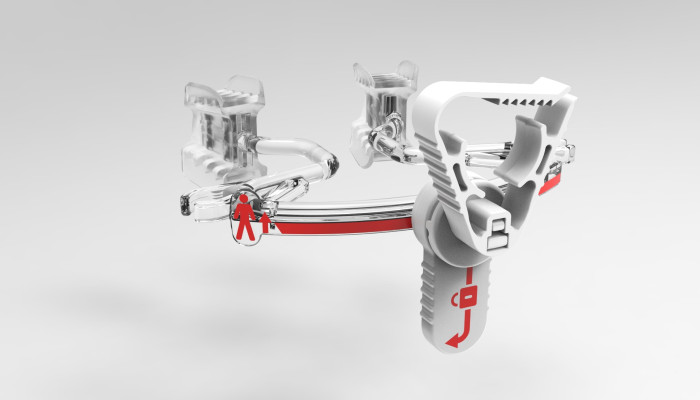
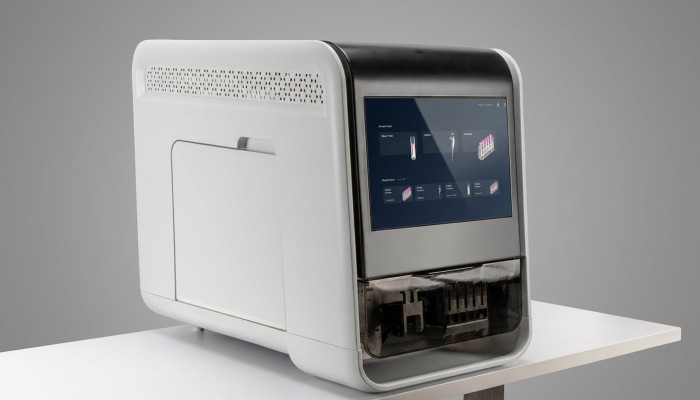
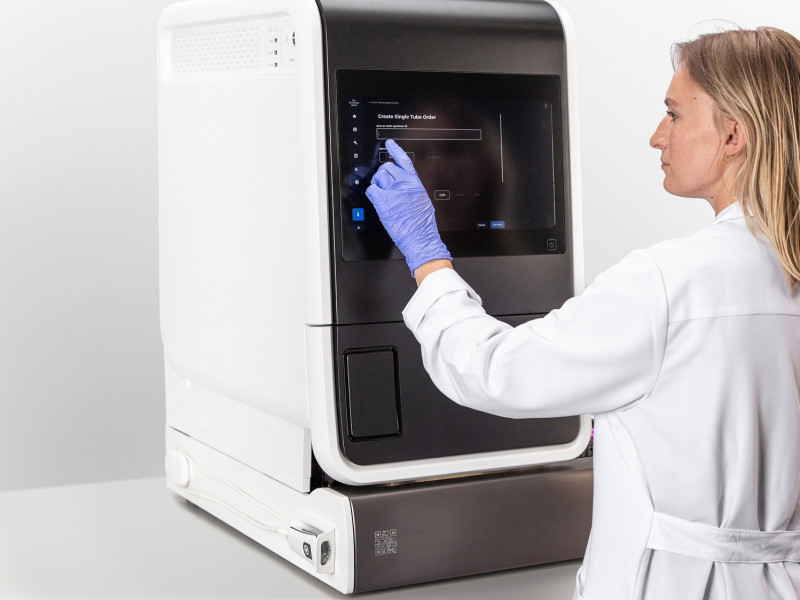
Priority Designs provides medical device development services for teams building products that must work in real clinical, patient, and caregiver environments. Our ISO 13485 certified team supports research, strategy, industrial design, medical UI, engineering, prototyping, usability, testing, documentation, and manufacturing handoff, with the right specialists involved at the right time.
ISO 13485 certified medical device development support.
35+ years of product development experience.
Medical device, medical UI, wearables, IFU, PPE, and connected product experience.
In-house prototyping and engineering testing capability.
All Under One Roof
A Breadth of Specialties
Industrial Design
Soft Goods Design
UX/UI Design
Sound Design
Strategy & Brand
Research
Mechanical Engineering
Software & Electrical Engineering
Prototyping