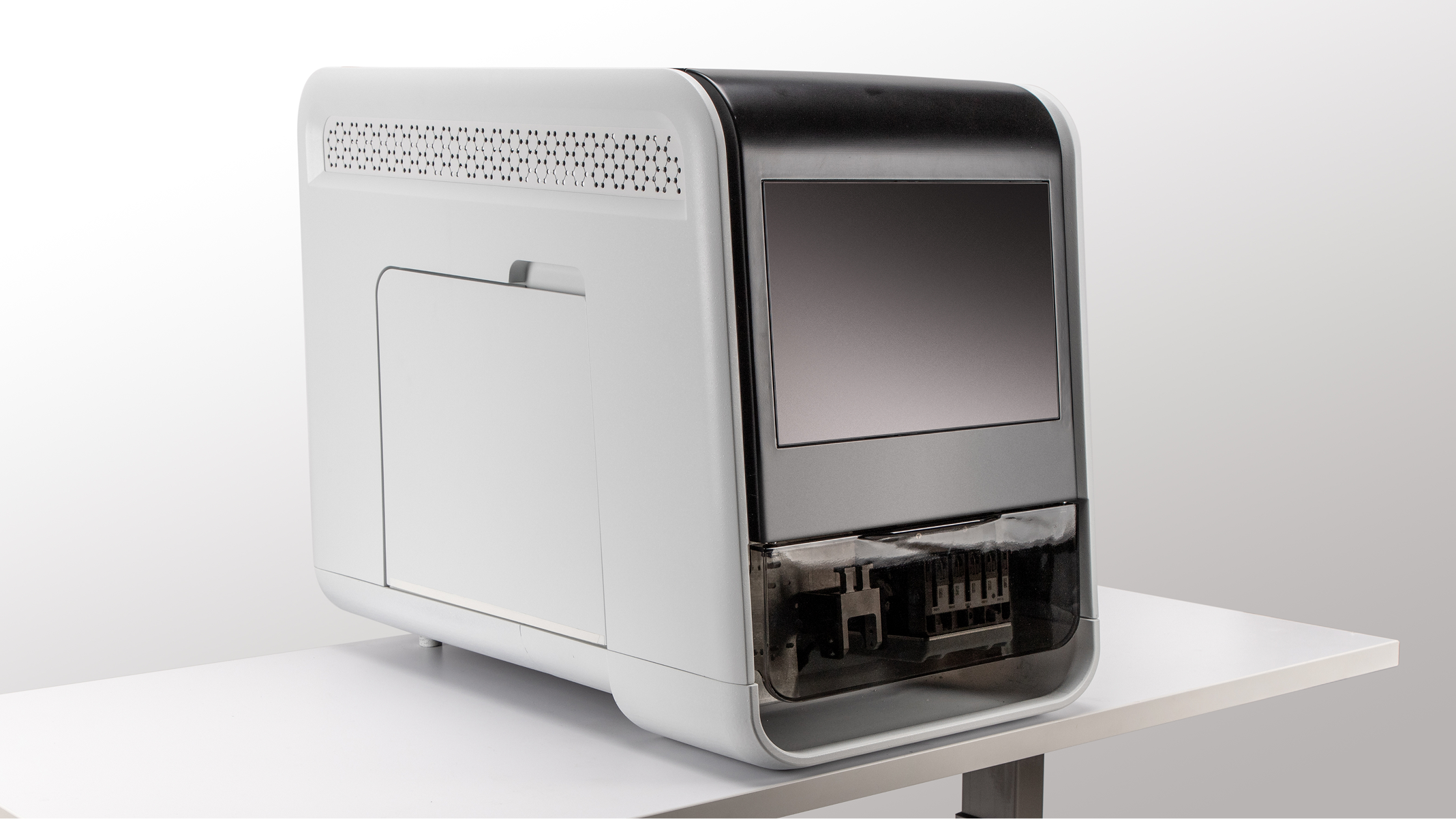
A Disruptive Technology
A major developer of diagnostic lab equipment, DLS (pseudonym used for confidentiality purposes), wanted to develop an instrument to evaluate a disruptive technology that could change the face of hematology analysis. While their original hematology analyzers were groundbreaking diagnostic products already, DLS wanted to incorporate this brand-new technology to support lab technicians by revealing minute changes in the blood cells, indicating early evidence of diseases to further minimize manual intervention and facilitate streamlining workflows efficiently. An improvement like this, and its potential impact, couldn’t wait.
If they went the traditional development route, this innovation might not have seen the light of day for years. Cue the research-use-only (RUO) device. Developing this new-and-improved analysis engine was critical to jumpstarting their R&D efforts. Knowing our ability to move quickly, and collaborate across multiple disciplines, DLS approached Priority Designs to help rewire and redesign the tool from the inside out. And we proudly joined them in their meaningful mission.
From design to iteration to prototyping, we quickly dove deep into the world of hematology.
CLIENT
Diagnostic Lab Supplier (DLS)
INDUSTRY
Healthcare
SERVICES

Seamless Integration
Our Approach

Immersion
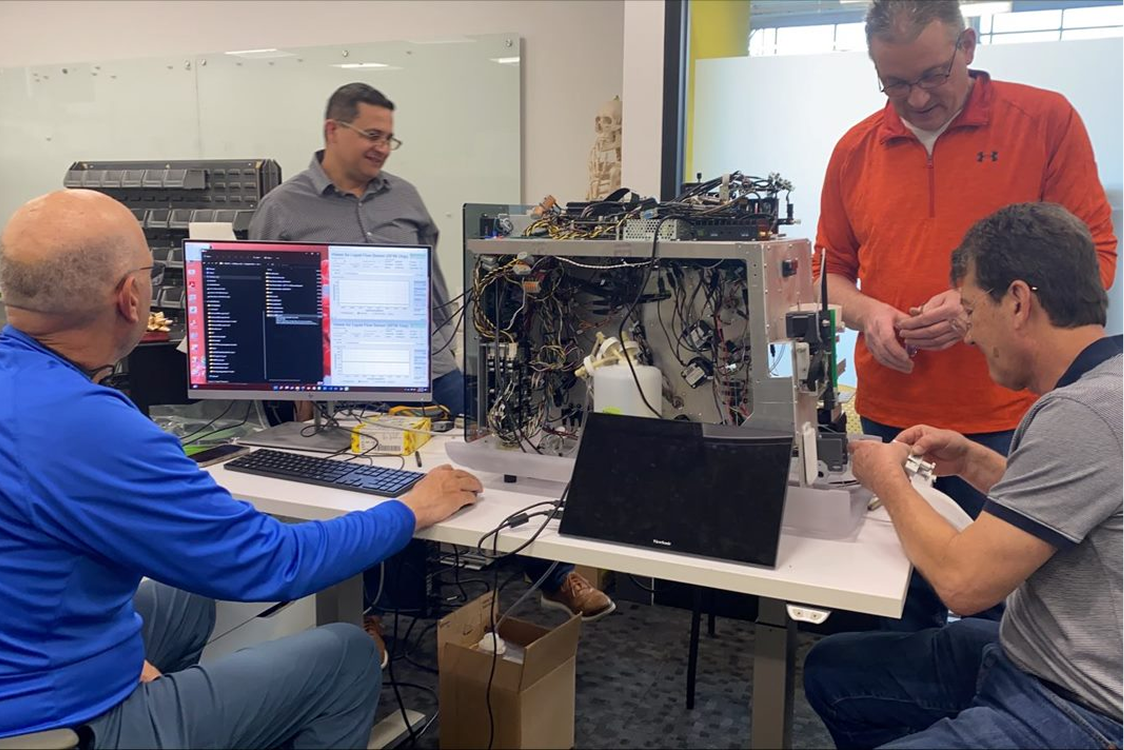
To start, we went straight to the source and partnered up with DLS’s internal engineering team. We wanted to understand the ins and outs of how the new technology worked and how we could incorporate it into an instrument that would be immediately inviting and intuitive to use.

Understanding the Interaction
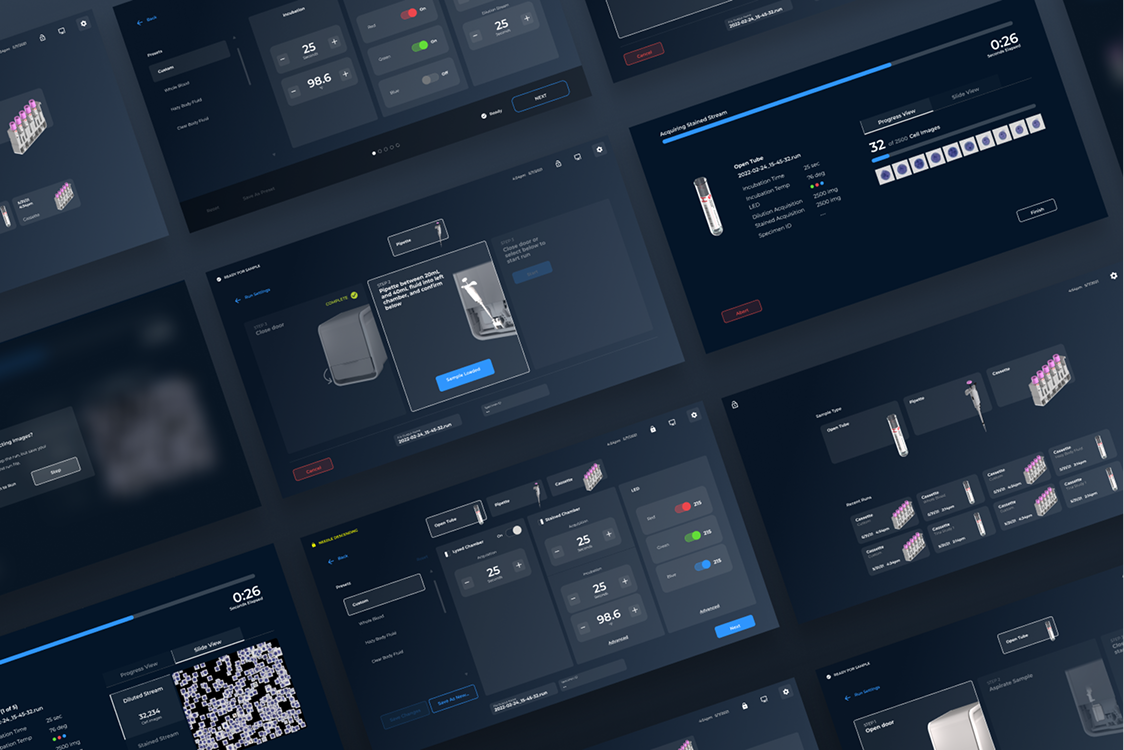
The new technology required a different workflow than lab techs would be used to, so we performed several rounds of user research to truly understand their needs and potential pitfalls. These insights informed the development of a new UX/UI that was easy to use and reflected a modern design aesthetic.
Learn More About Our UX Process

Design
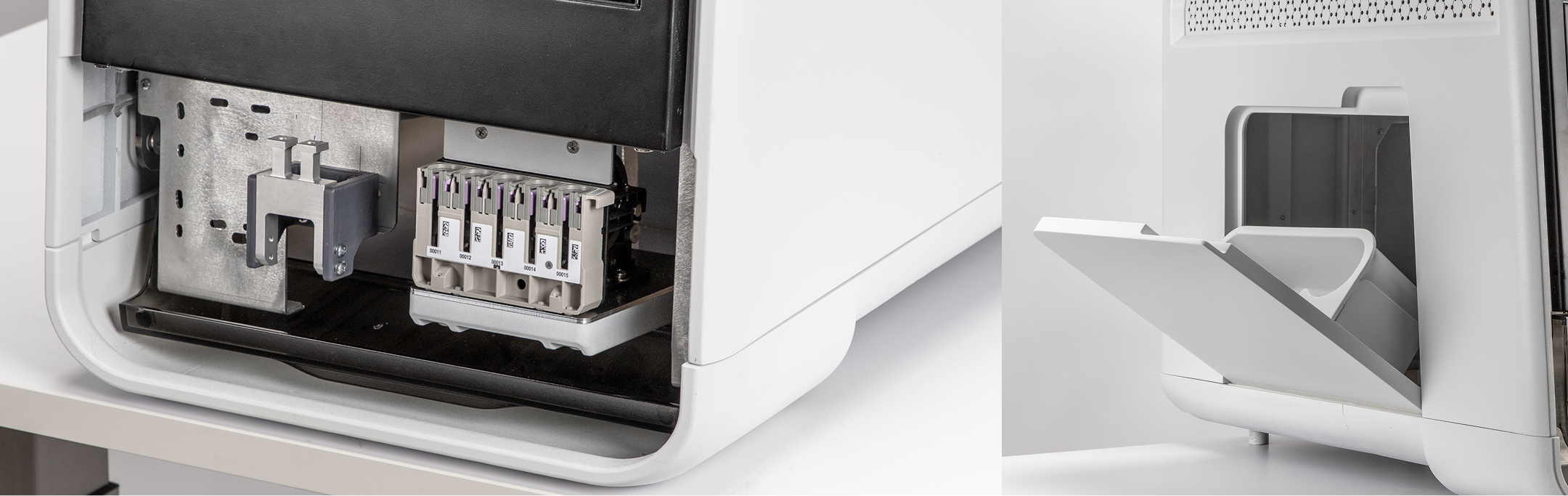
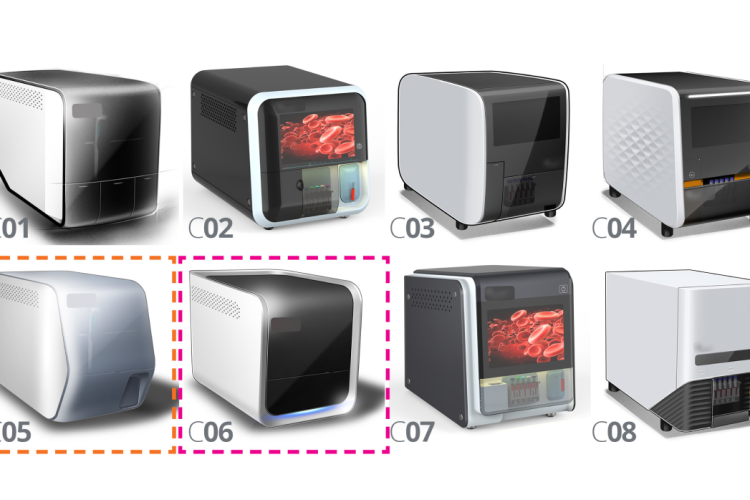
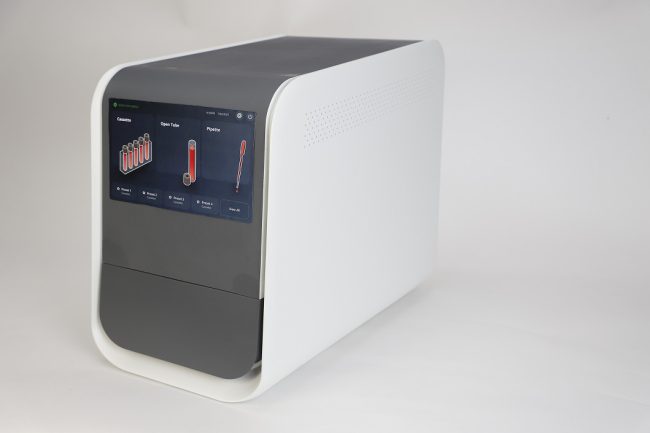
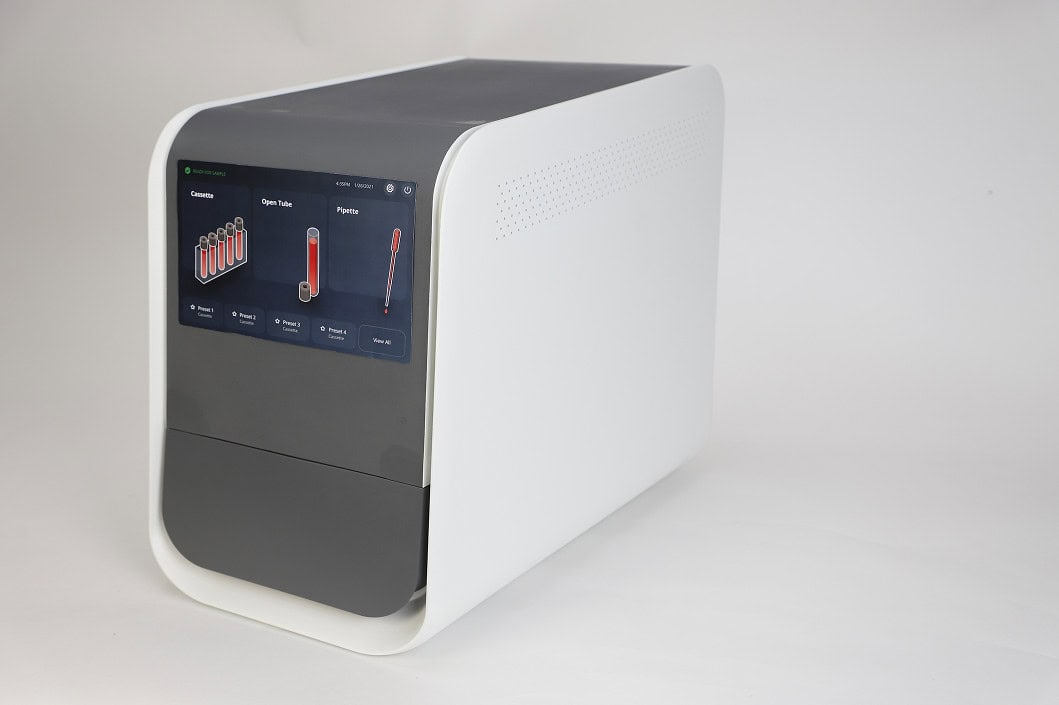
With insights gathered from research, we focused on the design. Concept sketches explored the breadth of possibilities, while remaining true to the core product language principles we had developed with their team. In addition to aesthetics, our teams explored how the digital and physical interactions should work together to streamline the experience. The resulting design reduced the footprint of the original to create an RUO concept that was sleek, modern, and easy to use.



Engineering the Internals
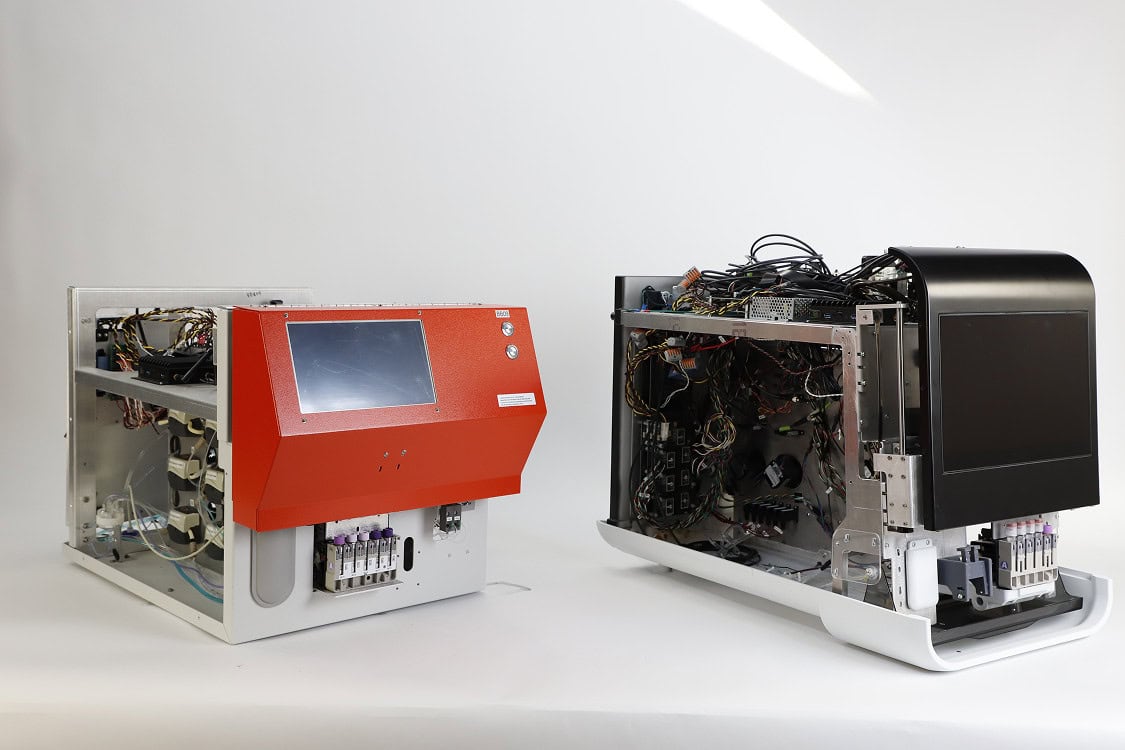
After learning from research that reducing width was critical, we remapped the internal structure, adjusting for new automation requirements while ensuring the outer aesthetics weren’t sacrificed. By consolidating boards and wiring, we even opened up space for internal reagents. The result was a simplified interior, making it easier for engineers and service techs to service the device.

The Build
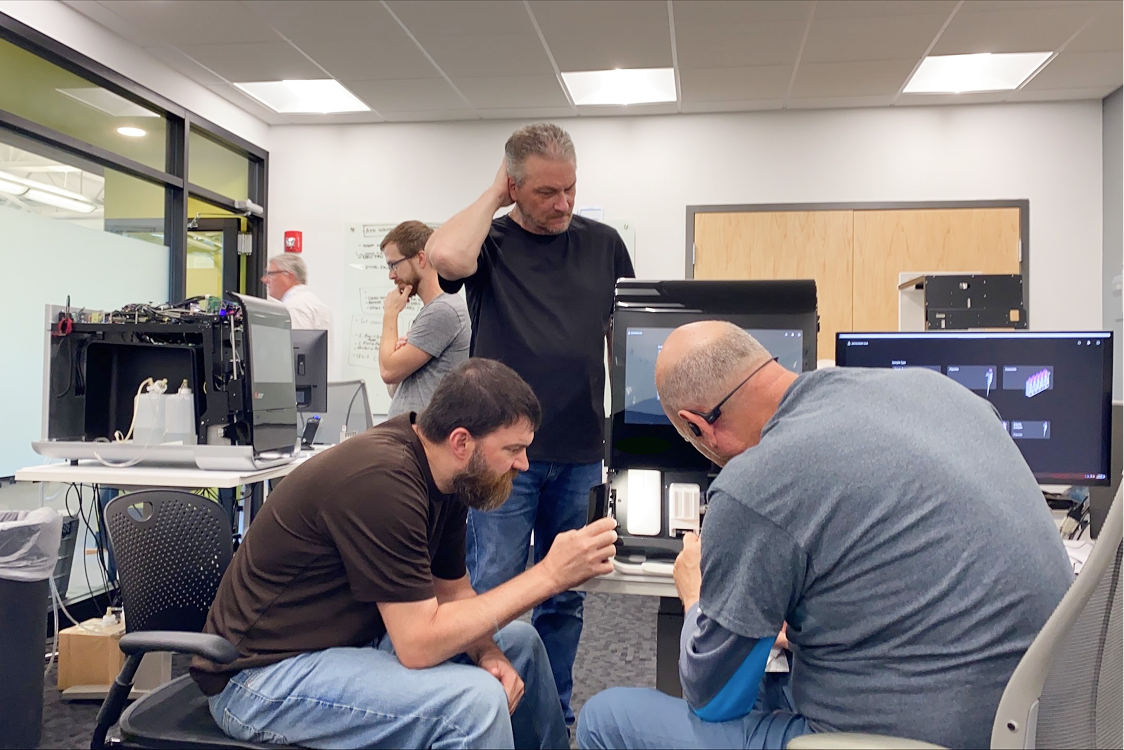
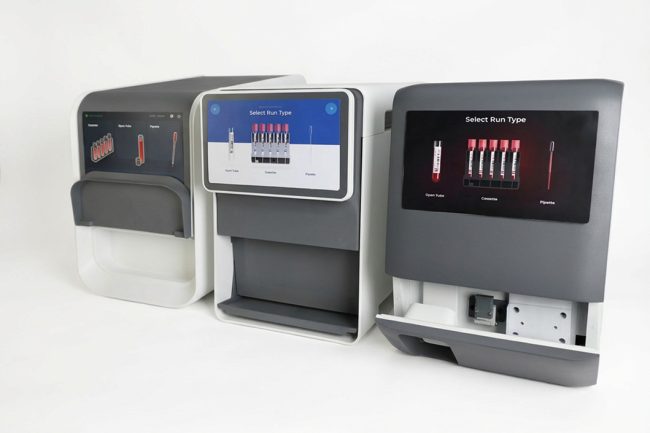
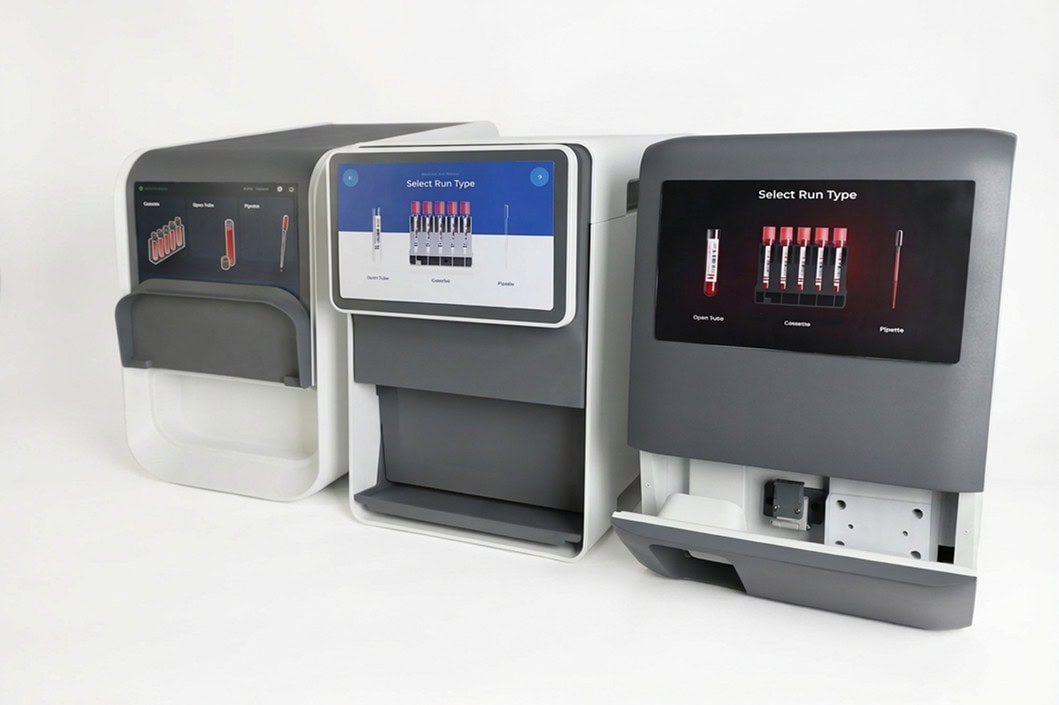
Once CAD was finalized, our prototyping specialists got to work. In just three months our team integrated the software, electrical and mechanical engineering CAD, and the refined design concept into three fully functioning prototypes.

The Outcome
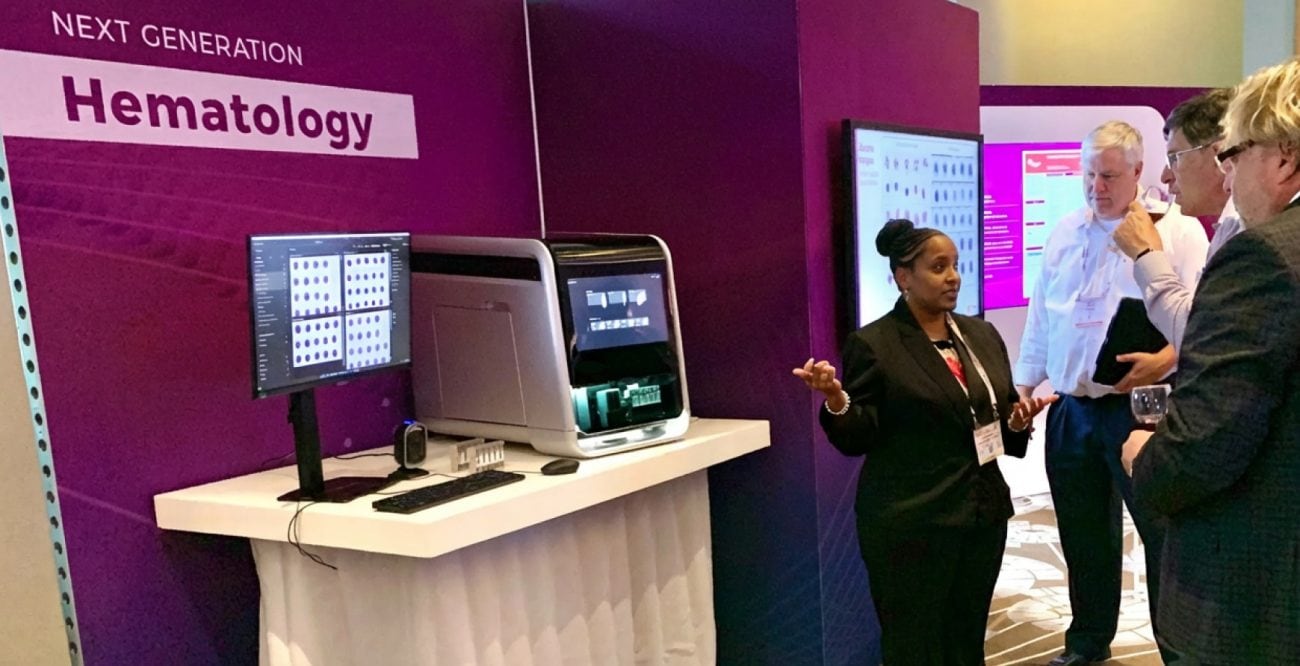
Just 7 months from project kick-off, a revised, functional RUO prototype was revealed at an invitation-only event at the leading international conference for lab diagnostics. The device could successfully gather clinical data, without a clinician ever needing to use manual slides again. The new RUO prototype was able to process more samples in less time through automation and with a more complete set of data for each.
Our Results
In collaboration with DLS’s engineers, Priority Designs was able to fast-track the design and development of the new-and improved RUO in its entirety. And not just once, but ten times. Together, we built three fully functional prototypes that are currently in use in our client’s labs, analyzing blood samples and collecting data (with no slides needed), and provided their team with the parts to build another seven.