When Usability Matters Most
Designing interfaces in the context of healthcare spaces, whether patient-facing insurance applications or complex robotic surgical platforms, requires a team that understands the unique challenges of the industry and can balance that with the needs of such specialized user groups.
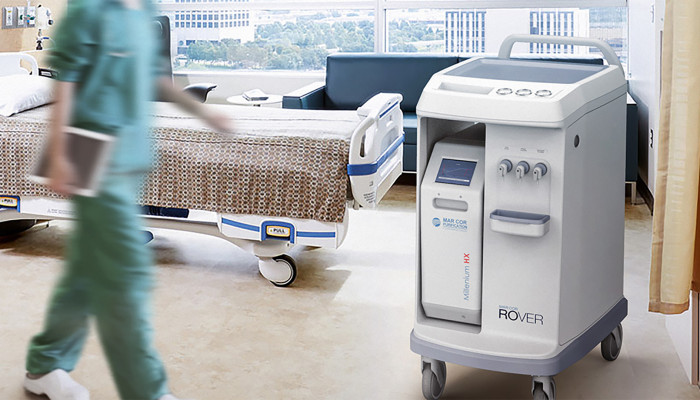
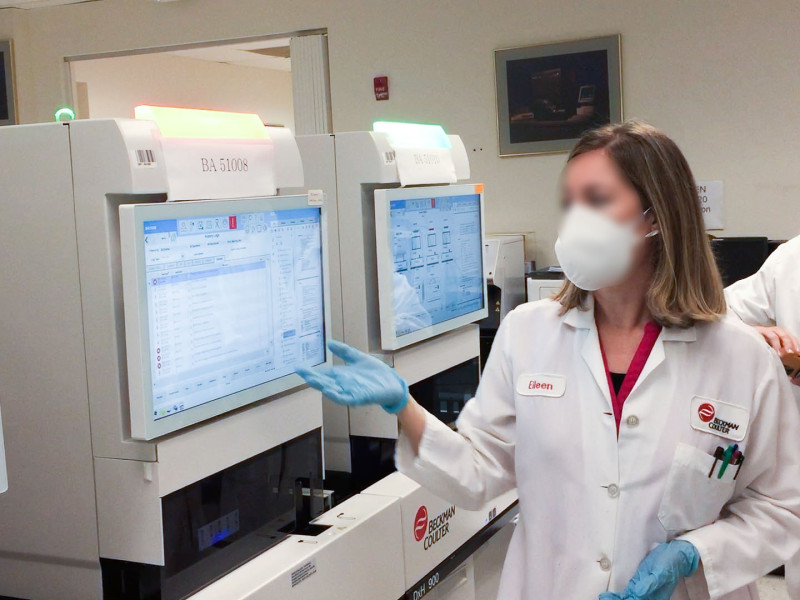
Our UX/UI team specializes in medical device UI design from embedded systems to fully digital reporting platforms, in contexts from hospital laboratories and surgical suites, to sterilization rooms. We use our years of experience in healthcare tech, and cross-industry knowledge from consumer and industrial goods, to create intuitive and delightful experiences for users.
Medical UI Specialties
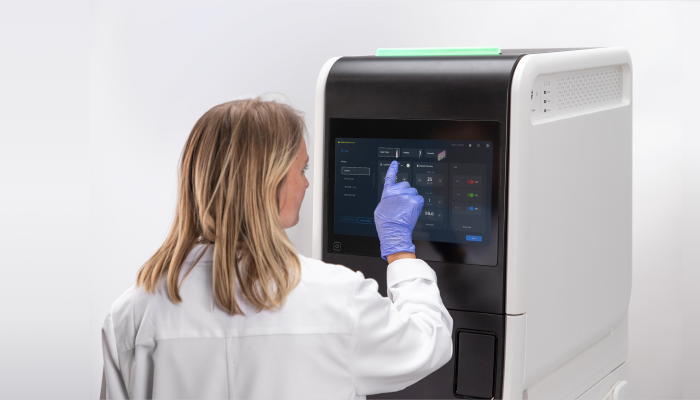
Connected Medical Devices
Adapting paper and pen processes to a digital and connected architecture is more complex than simply pushing data to the cloud.
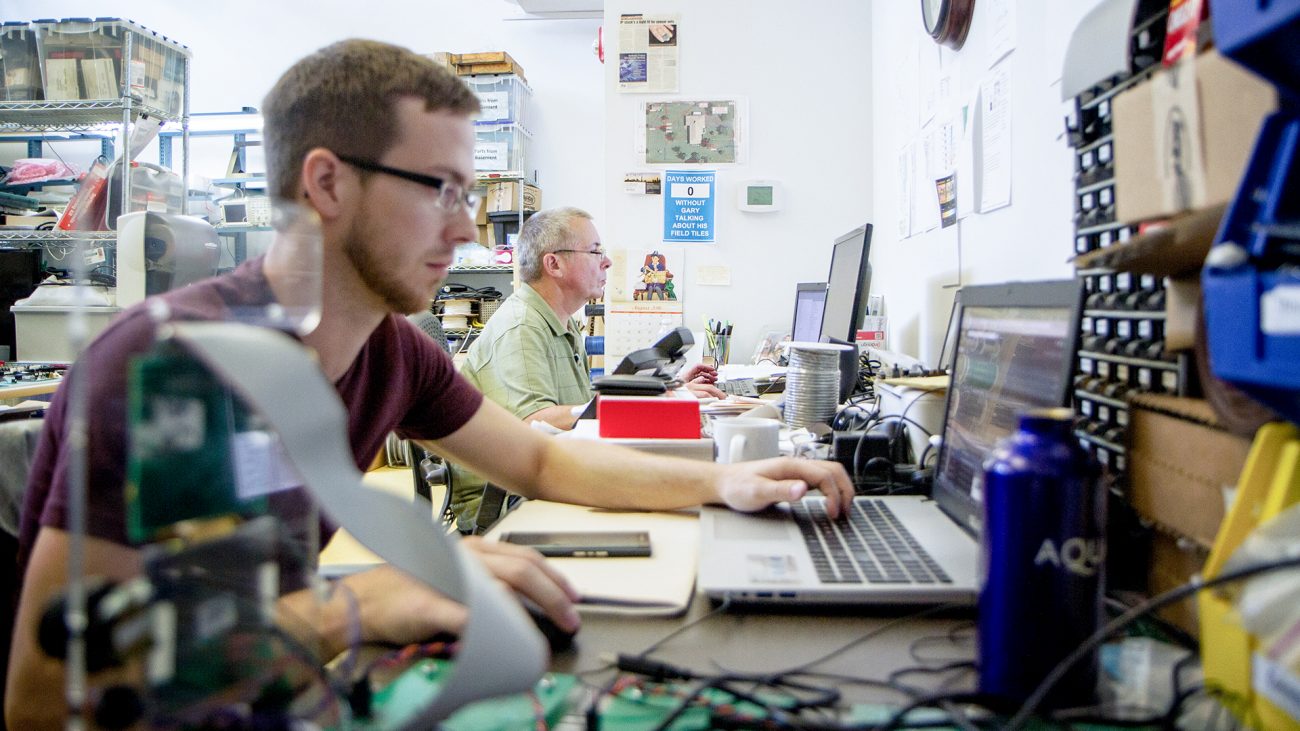
Our team has rapidly developed hardware and software prototypes that enable our clients to understand how future users will interact with these new paradigms. These rapid prototypes can then be used as a platform to iterate designs while gather real feedback, from real users, using real data.
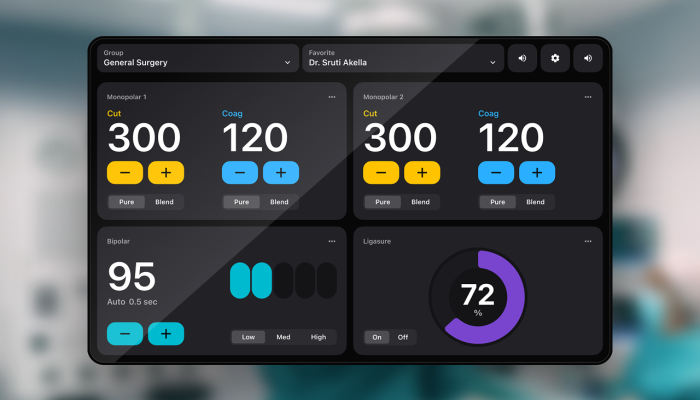
Robotic Surgical Platforms
As new technology enables more advanced surgical methods, keeping the user at the center of the development process is key to fully unlocking the technology’s potential. Robotic surgical platforms present extremely complex environments: multiple points of interaction, combinations of visual, audible, and haptic feedback, and several types of simultaneous users.
Our team has rigorously constructed interaction models for these advanced platforms, creating a foundation of usability that builds to a delightful experience for all users.
UX/UI Design Services
Our Process
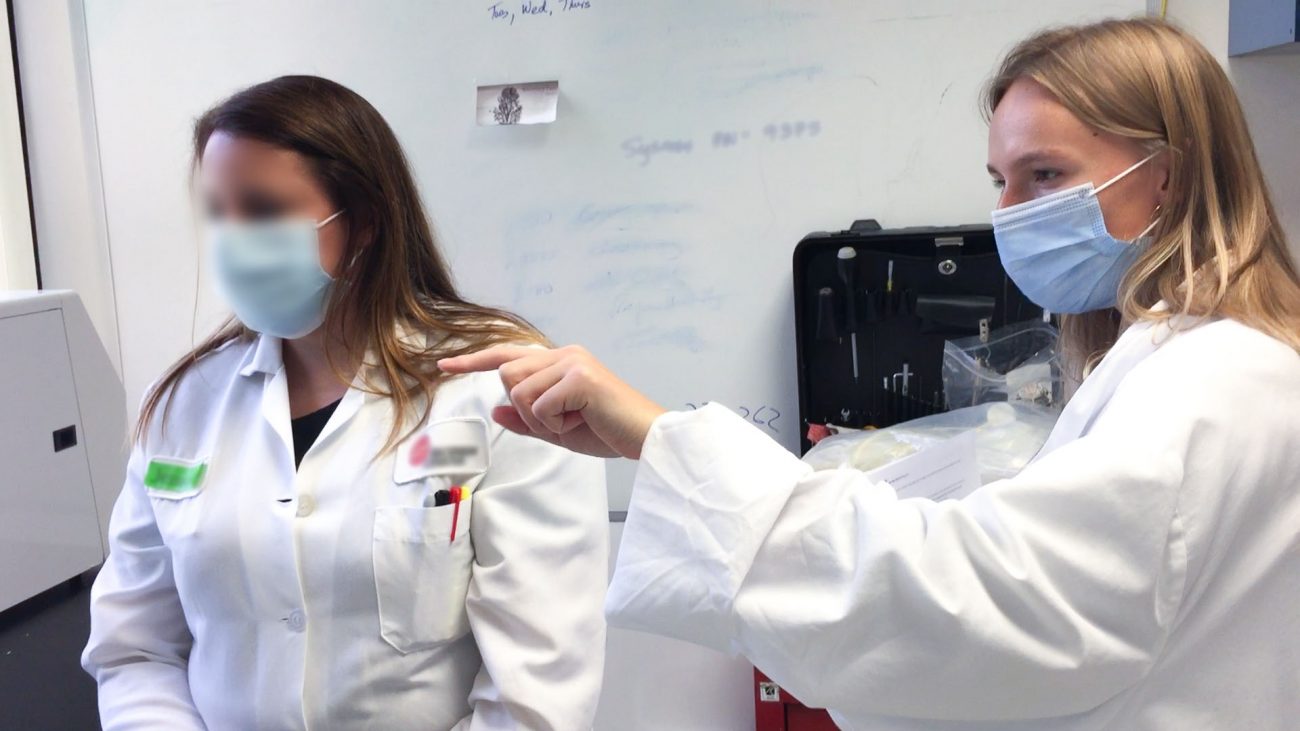

Generative and/or Observational Research
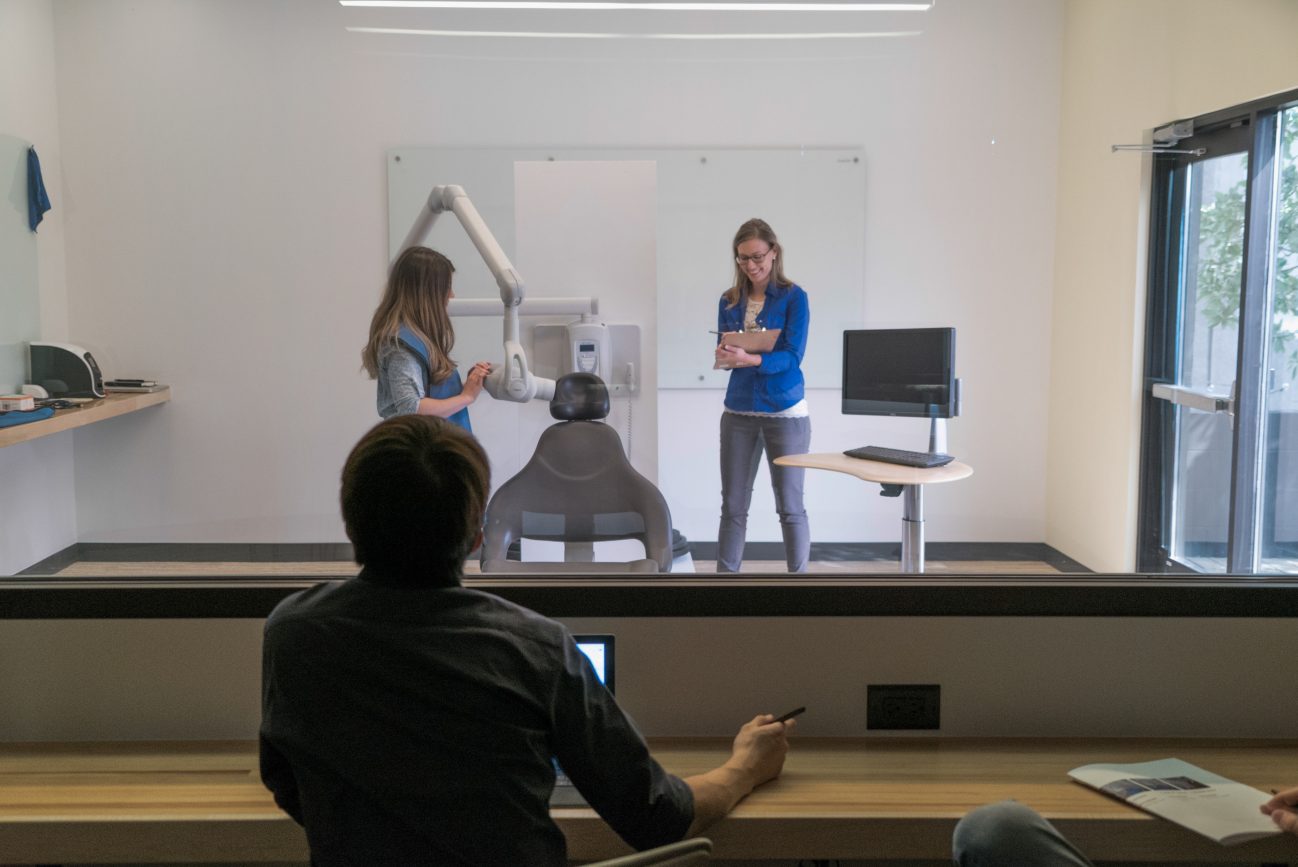
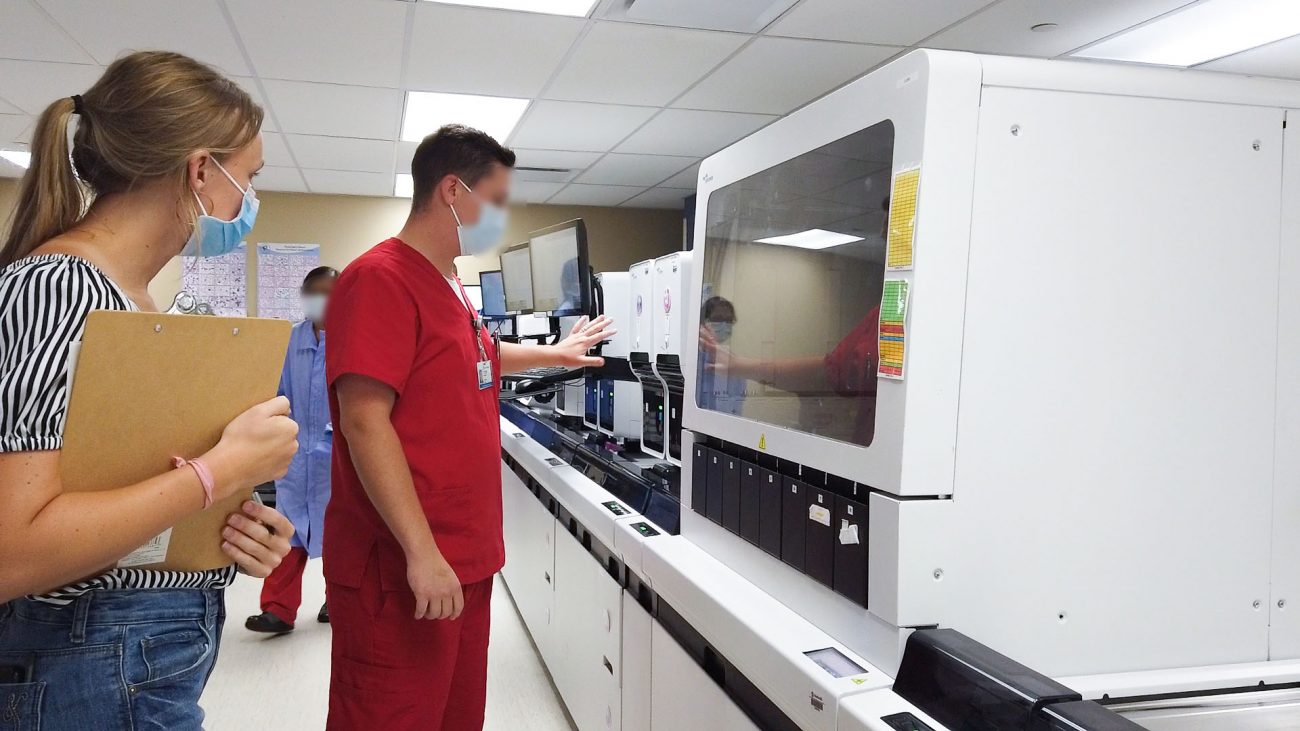
No matter where you are in the development process, user input is critical in the design process. We work in the front-end to define the current challenges and the ideal experience, drawing clear connections between research insights and design decisions. Once design is underway, we re-engage the user to evaluate the design and it’s effectiveness at meeting your goals, and your customers’ goals.

Quality and Risk Management
We believe beautiful and gratifying interfaces can be realized within the rigors of regulatory guidance and risk mitigation. Our UX team does this by taking a systems-minded approach, establishing consistent interaction patterns that minimize the potential for error. Throughout the process we’ll incorporate risk assessments, human factors evaluations, and partner with your systems engineers to find opportunities beyond the minimums of a standard, and create interfaces that are safe, effective, and delightful.
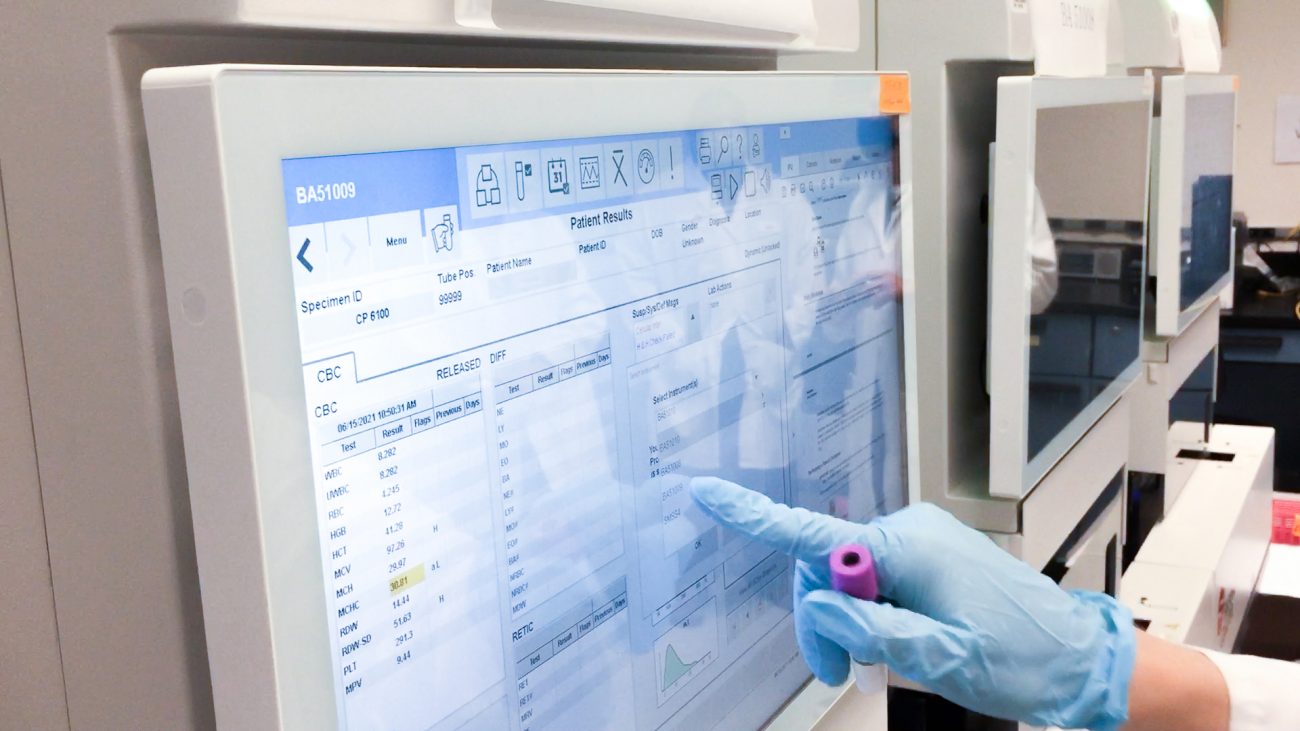

UX/UI Design
Whether its incremental improvements to individual features or a full overhaul and refactor of your functionality, our team has your UX/UI design needs covered. We’ll work within your budget to develop a solution your users intuitively understand and are delighted to use.

Expert Reviews
Evaluating designs against best practices and guidelines can be a time and budget efficient method of identifying potential weaknesses in a design. Our team will draw on their experience in various markets and settings to rate the severity of issues and provide countermeasures for improved experience and usability.

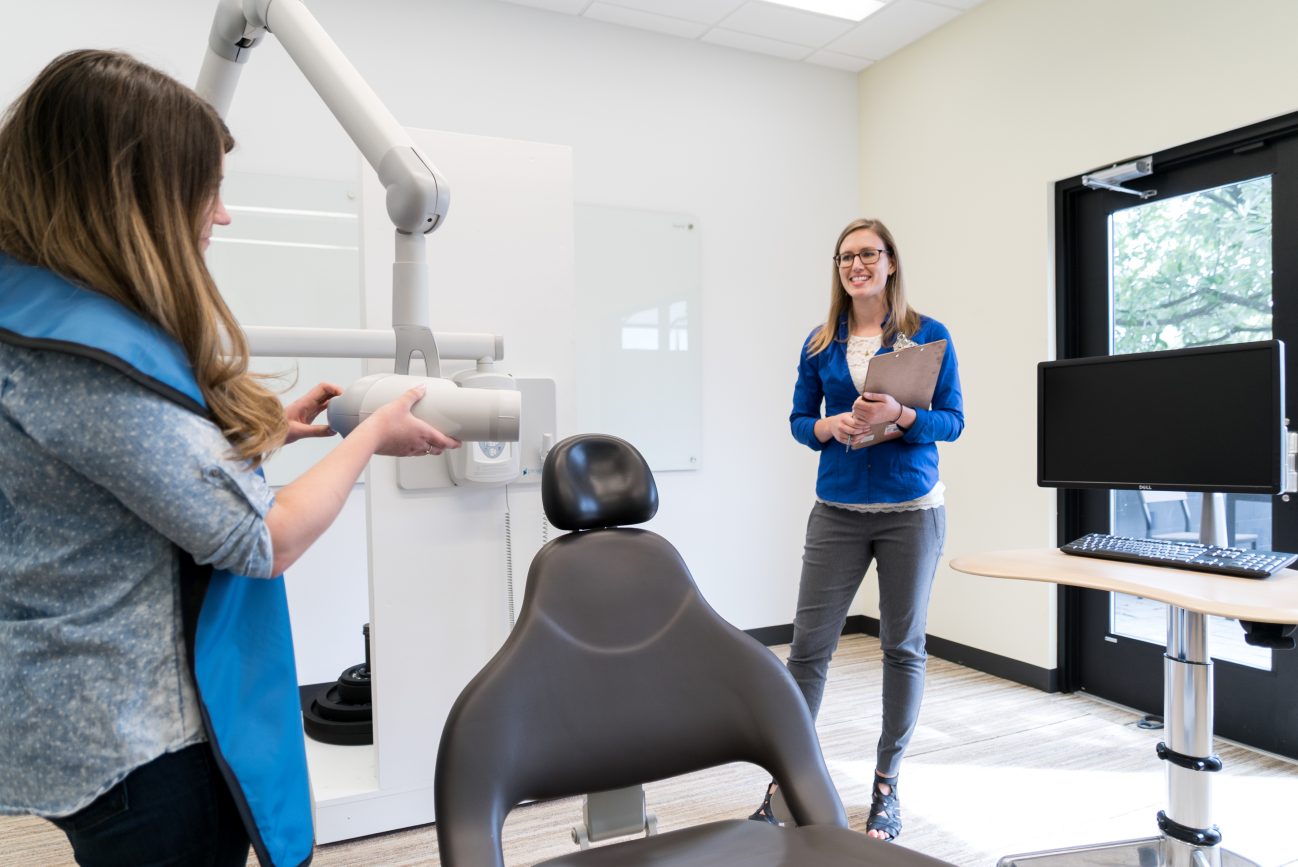

Formative Studies
No handoffs between teams translates to less time translating design intent. Our team can work entirely in parallel, designing the user study as the prototype is being completed and adjusting as needed, without the communication delays that come with having multiple vendors.

Summative Studies
When you’re ready to check that final box that gives you confidence that the design has met it’s goals, we’ll run scientifically executed validation studies. These assess whether all of your usability targets have been met. We focus on strict experimental design and execution to deliver confidence in the results.
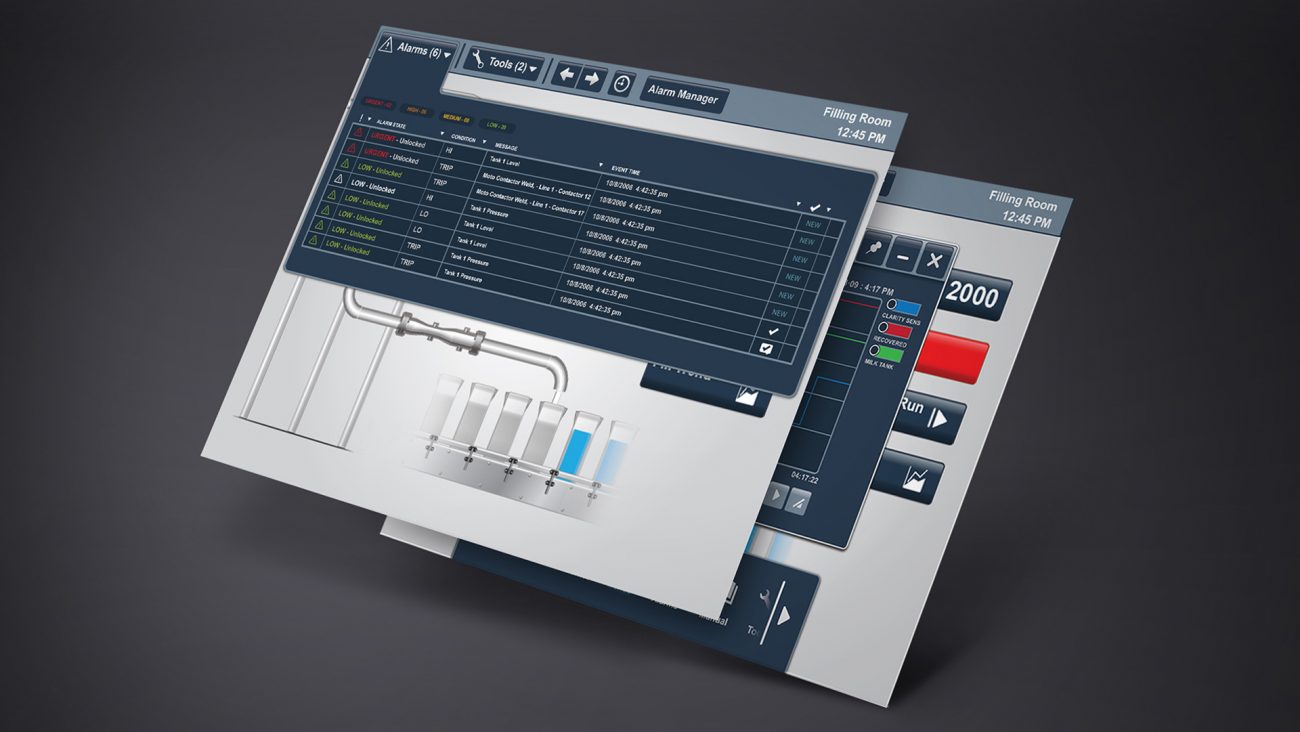

Documentation for Quality & Development
Sometimes documentation and regulatory needs end up in conflict with software updates and continuous deployments. Our cross-discipline team can help you architect a design system and quality process that facilitates iterative UI development and deployment while satisfying the quality documentation needs for medical device software.

Software Development
Our UX team includes members who blur the line between “designer” and “developer.” They, along with our experienced software developers and engineers, take designs and documentation and translate them into real, working interfaces. Whether you need a proof-of-concept, functional prototype, production software, or a well-ironed design system, we can handle it with minimal handoffs between teams.