Built-to-Last Innovation
Biomedical engineering can apply to anything at the intersection of health and engineering. This includes devices as large and complex as a suite of hospital equipment or as small and simple as a thermometer. Our cross-disciplinary biomedical engineering team designs products from concept to creation. We develop products tailored to the unique requirements of the biological interface and human interaction, choosing the right materials, and appropriate manufacturing methods, all within the bounds of your regulatory requirements.
Biomedical Engineering Skills:
- Anthropometric measurements
- Biomechanical Analysis
- Materials selection for biocompatibility
- Rapid prototyping, invention, and proof of concept services
- Modeling and Simulation of Physiological Systems
- Custom test development for medical device evaluation
- Test method validation (TMV), including IQ/OQ/PQ
- Planning and execution of Verification & Validation (V&V) testing
- First Article Inspection (FAI)
Biomedical Engineering, Product Design

Human-Centered Design & Risk Mitigation
In the product development process, our biomedical engineers specialize in designing with risk mitigation in mind. We consider the biomechanics of body movement, articulation of joints, and how that changes under ADLs (activities of daily life), with age and disease. Evaluating a design for the biggest risks includes considering installation, service, material choices, degradation, and failure modes. This may result in mitigations such as instructions and research to ensure instructions are followed, and biocompatibility testing respectively.
We focus on how products will impact and improve the health of the human body, designing with biocompatibility in mind. The careful selection of materials for a particular application is crucial to the viability of a device. We design by applying our knowledge of biocompatible materials suitable for surface contact, implantation, degradation, and more.
In addition, devices with electronics must meet regulations to ensure they can’t cause harm to the user. Electronics add a layer of risk that can range from minimal considerations for isolated system or core to patient safety when electronics directly connect to the human body. Our team has experience navigating both the risk assessment and implementation of electrical designs to meet safety and regulatory requirements across the full range from circuit design through systems integration.




Engineering Services
Our Biomedical Engineering Expertise

Medical Device Development
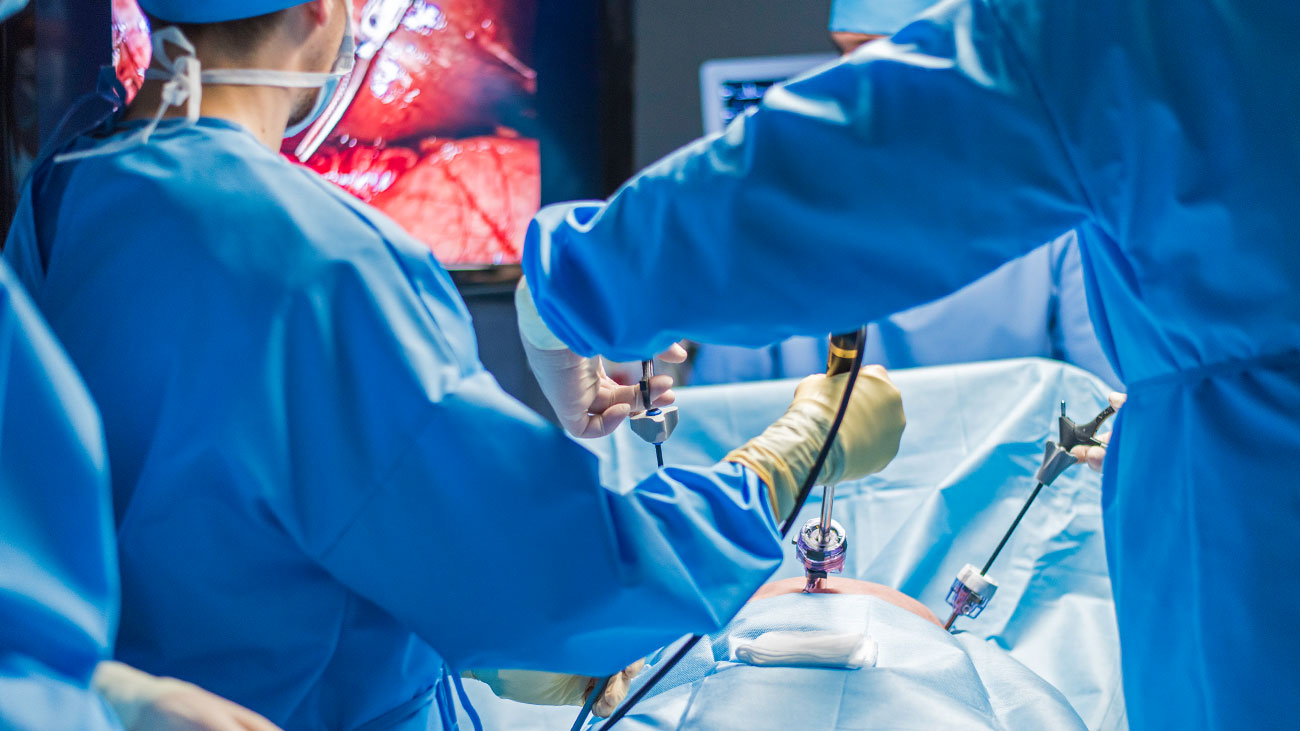
Medical device development regulation requires the device history to be captured from start to finish and changes to be monitored along with the potential impact to risk mitigation. We can document your design within our quality system, or work within yours, to create the initial documents and iteratively develop up to the final design ready for manufacturing. Our biomedical engineers bring their expertise to your risk-mitigation discussions and design improvements with these factors in mind.

Personal Protective Equipment
Regardless of market, environment, or person, the purpose of any personal protective equipment (PPE) is to protect the user. And we’ve learned that people work effectively when they feel safe. The nuance comes when you introduce different use cases – PPE for the soldier is quite different than PPE for the ICU nurse.
For over 20 years, our team has helped clients develop protective gear across industries, enabling Priority Designs to design and develop products based on the particular needs of the project, while utilizing a depth of knowledge gained from cross-industry experience. Our biomedical engineers add further depth to this experience by looking at PPE in relation to fit and impact to the body. This unique experience creates designs that consider how internal parts of the body are impacted by the external.


Expertise in Practice: Q-Collar
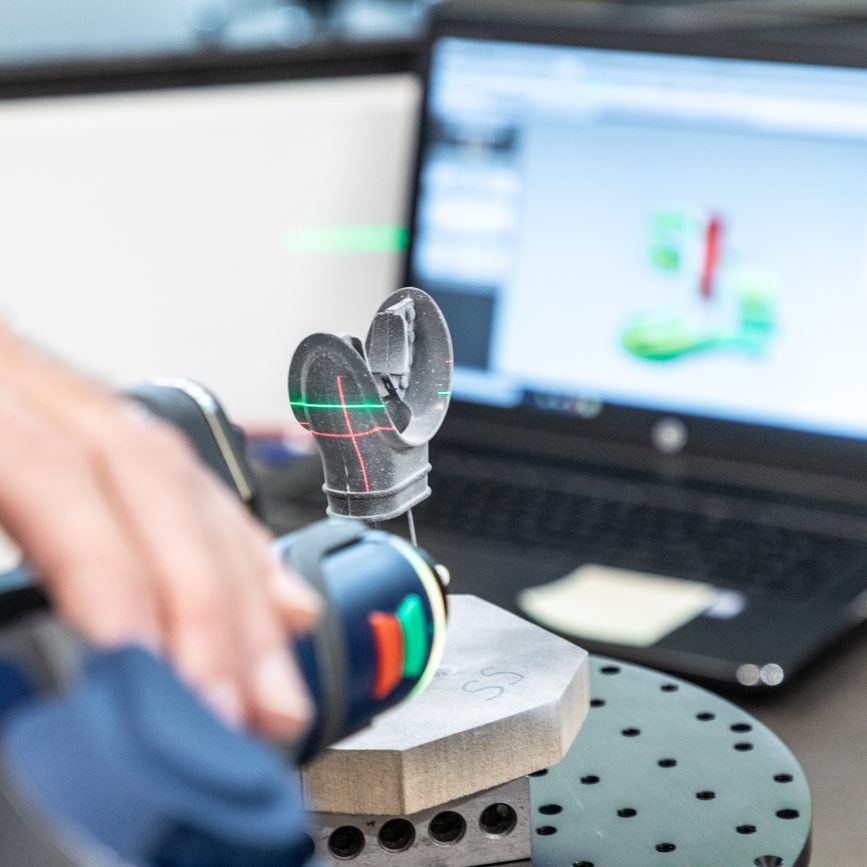
The Q-Collar is the world’s first technology to use the body’s natural physiology to protect against mild traumatic brain injury caused by concussive events. A revolutionary approach to protecting the brain, the Q-Collar addresses the problem from the inside out by mimicking a natural defense used by woodpeckers. The collar applies slight pressure to the neck which mildly increases blood volume in the brain to create a cushion that reduces movement of the brain inside the skull. This mitigates the effects of mild-traumatic brain injury through biomimicry.
The Q-Collar is a breakthrough for athletics, military and industry and our biomedical engineers used their skills to help make this possible.